🧭 Introduction
Choosing the right Packraft Materials is one of the most critical decisions when developing or sourcing a packraft.
The three most commonly used materials in the inflatable watercraft industry are:
- TPU (Thermoplastic Polyurethane)
- PVC (Polyvinyl Chloride)
- Hypalon (CSM rubber material)
Each material offers different advantages in terms of weight, durability, flexibility, cost, and manufacturing process.
👉 Understanding these differences is essential for brands, importers, and OEM buyers.
🧪 What Are Packraft Materials?
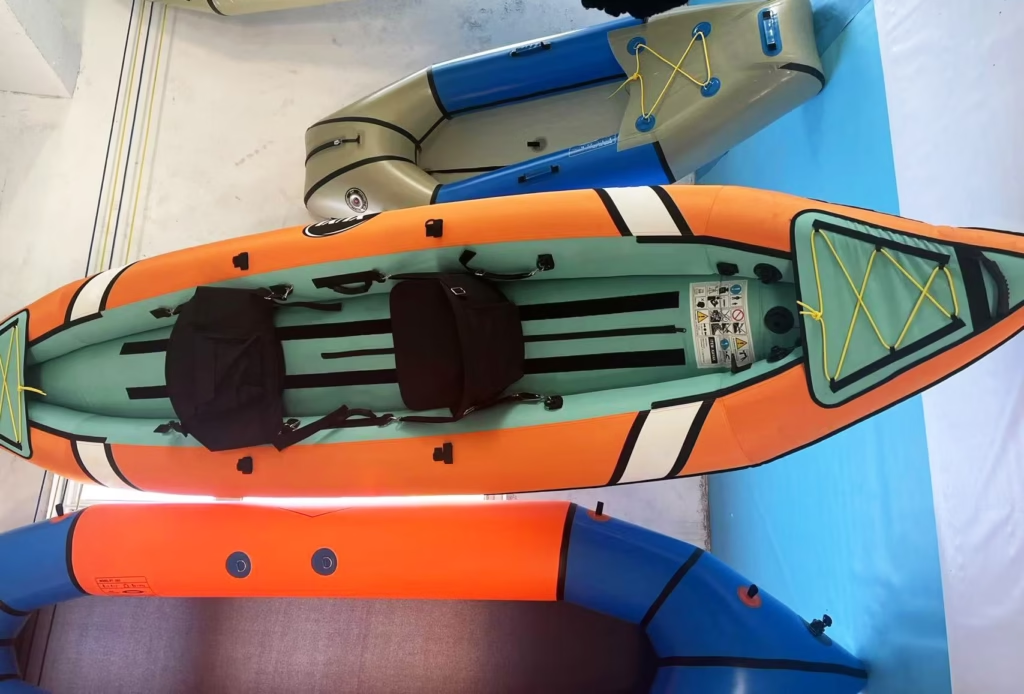
Packrafts are made using coated fabric materials, where a base fabric (usually nylon or polyester) is laminated or coated with a waterproof layer.
Key material functions:
- Air retention
- Abrasion resistance
- Flexibility
- Structural strength
👉 The coating material defines the performance of the packraft.
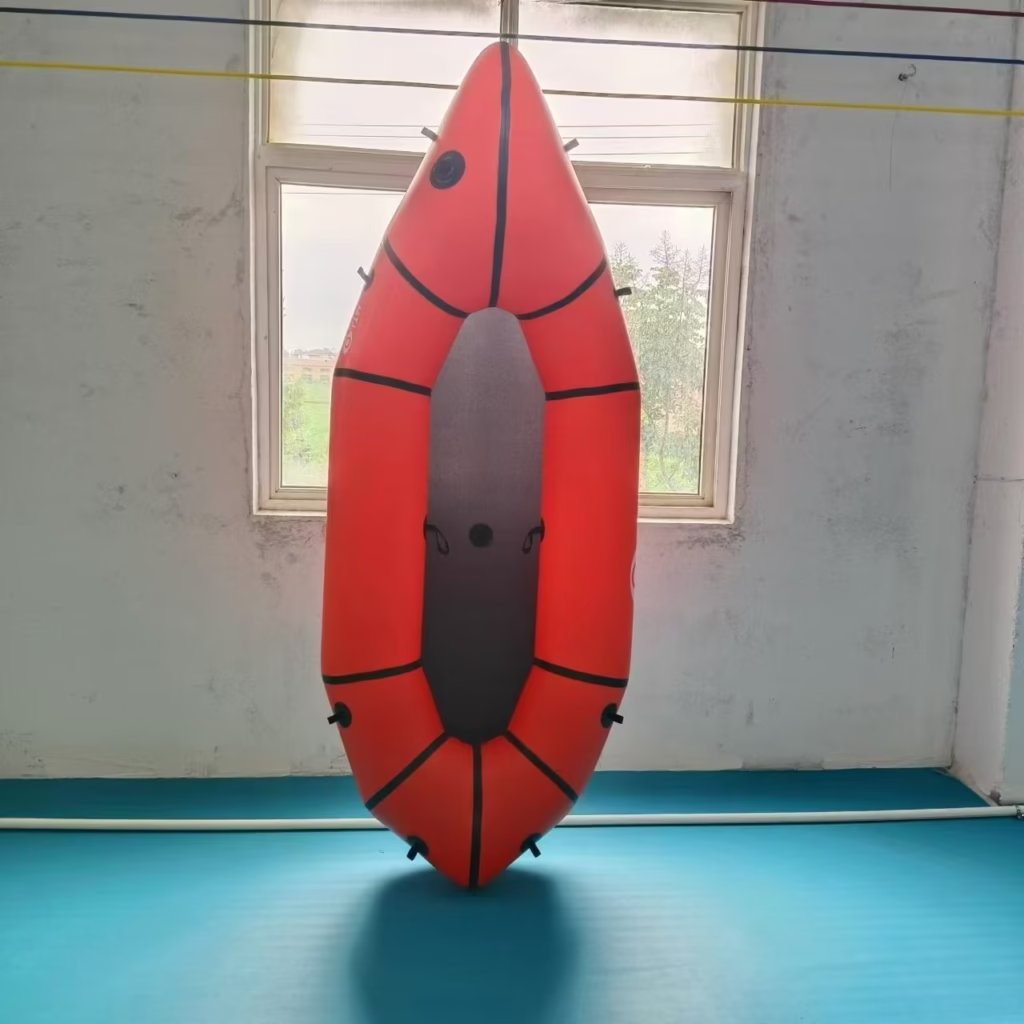
🥇 TPU Packraft Material (Premium Lightweight Option)
TPU is widely considered the best material for modern packrafts, especially for outdoor and expedition use.
Key advantages:
- Extremely lightweight
- Excellent abrasion resistance
- High flexibility (even in low temperatures)
- Eco-friendlier compared to PVC
- Heat-weldable (strong seam bonding)
Typical applications:
- Backpacking packrafts
- Expedition and adventure gear
- Premium outdoor brands
👉 TPU is ideal for high-performance and portable packrafts.
🥈 PVC Packraft Material (Cost-Effective Standard)
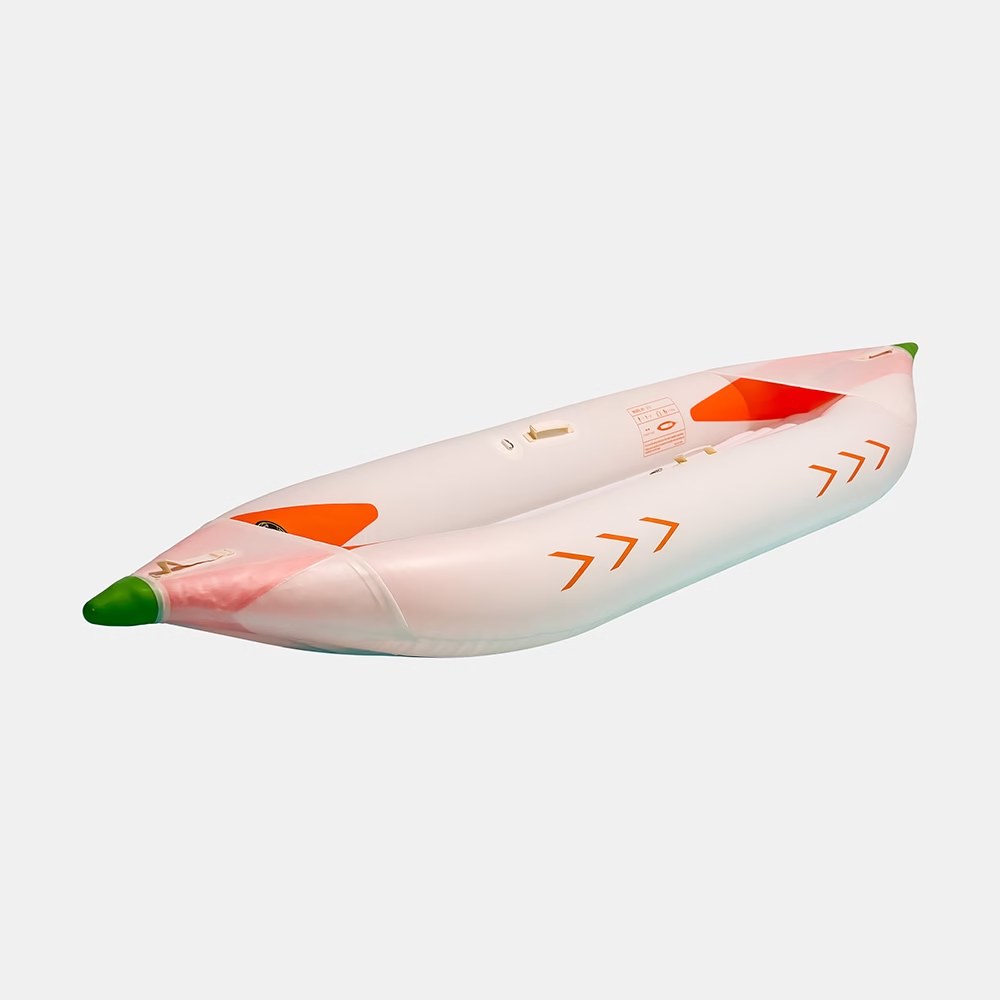
PVC is the most widely used material in the inflatable products industry.
Key advantages:
- Lower cost
- Easy to manufacture
- Widely available supply chain
- Suitable for large-volume production
Limitations:
- Heavier than TPU
- Less flexible in cold environments
- Glue bonding instead of heat welding (in many cases)
👉 PVC is best suited for entry-level and mid-range products.
🥉 Hypalon Packraft Materials (Heavy-Duty Industrial Option)
Hypalon (CSM) is a synthetic rubber material known for its durability.
Key advantages:
- Exceptional UV resistance
- Excellent chemical resistance
- Long lifespan
- High durability in extreme environments
Limitations:
- Much heavier than TPU and PVC
- Higher material and labor cost
- Complex manufacturing process
👉 Hypalon is typically used for professional or commercial-grade inflatables, not lightweight packrafts.
⚖️ TPU vs PVC vs Hypalon: Packraft Materials Comparison
| Feature | TPU | PVC | Hypalon |
|---|---|---|---|
| Weight | ⭐⭐⭐⭐⭐ | ⭐⭐⭐ | ⭐ |
| Durability | ⭐⭐⭐⭐ | ⭐⭐⭐ | ⭐⭐⭐⭐⭐ |
| Flexibility | ⭐⭐⭐⭐⭐ | ⭐⭐ | ⭐⭐⭐ |
| UV Resistance | ⭐⭐⭐ | ⭐⭐ | ⭐⭐⭐⭐⭐ |
| Cost | $$$ | $ | $$$$ |
| Manufacturing | Heat welding | Glue / welding | Glue bonding |
👉 Each material serves a different market segment.
⚙️ Manufacturing Differences (Critical for OEM Buyers)
TPU:
- Heat welding required
- High precision machinery
- Strong, clean seams
PVC:
- Glue bonding or heat welding
- Lower production cost
- Easier scalability
Hypalon:
- Hand-gluing process
- Labor-intensive
- High craftsmanship requirement
👉 Manufacturing capability directly affects product quality and defect rate.
🎯 How to Choose the Right Packraft Materials
Choose TPU if:
- You target premium outdoor markets
- Lightweight and portability are priorities
- You want higher product differentiation
Choose PVC if:
- You need cost-efficient production
- Target mass-market retail
- Lower price point is required
Choose Hypalon if:
- You need extreme durability
- Products are used in harsh environments
- Weight is not a primary concern
📈 Market Trend: TPU Becoming the Industry Standard
The inflatable watercraft market is shifting toward TPU.
Why?
- Growth of outdoor adventure sports
- Demand for lightweight gear
- Higher expectations for durability and performance
- Environmental concerns
👉 TPU is rapidly becoming the preferred material for high-end packrafts.
⚠️ Common Mistakes When Choosing Materials
Many buyers make decisions based only on cost.
Common issues:
- Choosing PVC when TPU is required
- Ignoring seam technology (glue vs welding)
- Underestimating weight importance
- Selecting suppliers without material expertise
👉 These mistakes often result in product failure and customer complaints.
📊 Conclusion
There is no single “best” packraft material—only the best material for your market.
- TPU → lightweight, premium performance
- PVC → cost-effective, mass production
- Hypalon → heavy-duty, industrial durability
👉 For most modern outdoor brands, TPU is becoming the preferred choice.
Looking to develop high-quality packrafts?
We provide:
- TPU and PVC packraft manufacturing
- Advanced heat-welding production
- OEM/ODM customization
- Export-ready quality control
👉 Contact us for material recommendations and OEM solutions.
 Explore Products
Learn more about our complete manufacturing solutions.
Explore our complete product portfolio.
 Contact us for product specifications and OEM solutions.
[  WhatsApp Inquiry ] [
  Email Us ]