Floating docks are widely used for yachts, lakeside recreation, resorts, swimming areas, and water sports activities. However, buyers today are no longer limited to traditional floating dock systems. Inflatable floating docks have become an increasingly popular alternative thanks to their portability, easy storage, and lightweight construction.
While both options serve similar purposes, they differ significantly in installation, transportation, durability, maintenance, and overall user experience.
Choosing the right floating dock depends largely on how and where the dock will be used. Some users prioritize portability and flexibility, while others prefer permanent installation and maximum rigidity.
In this guide, we compare inflatable floating docks and traditional floating docks to help buyers understand which option is better for their specific applications.
What Is an Inflatable Floating Dock?
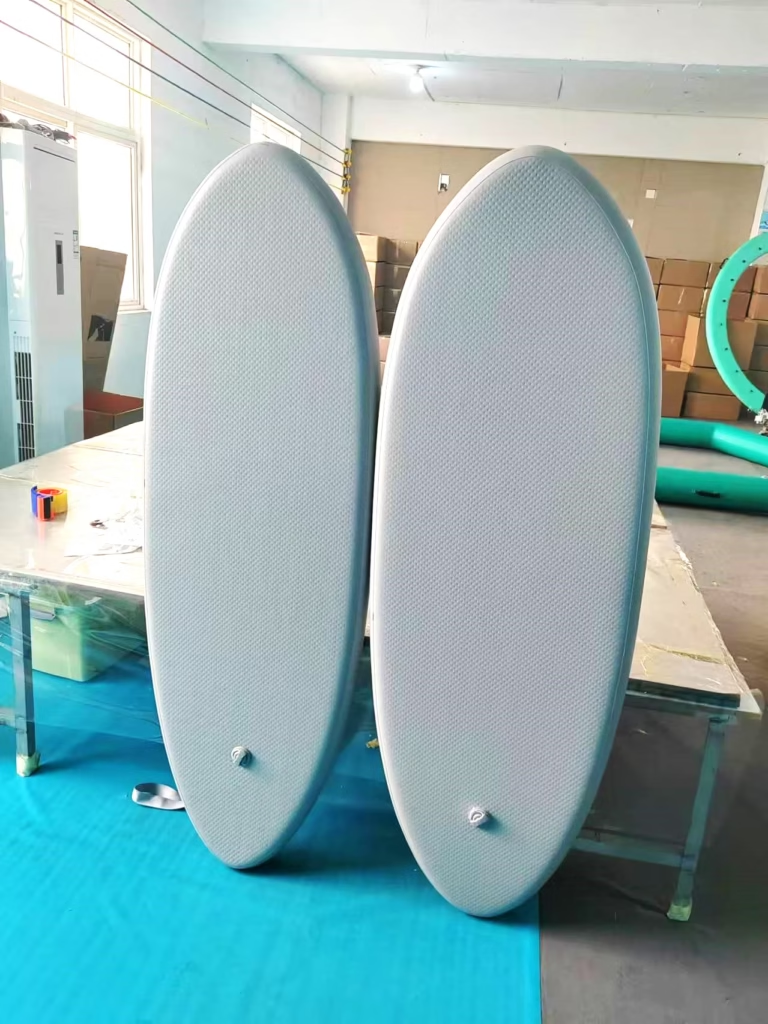
An inflatable floating dock is a high-pressure inflatable platform designed for swimming, relaxing, docking, and water recreation activities.
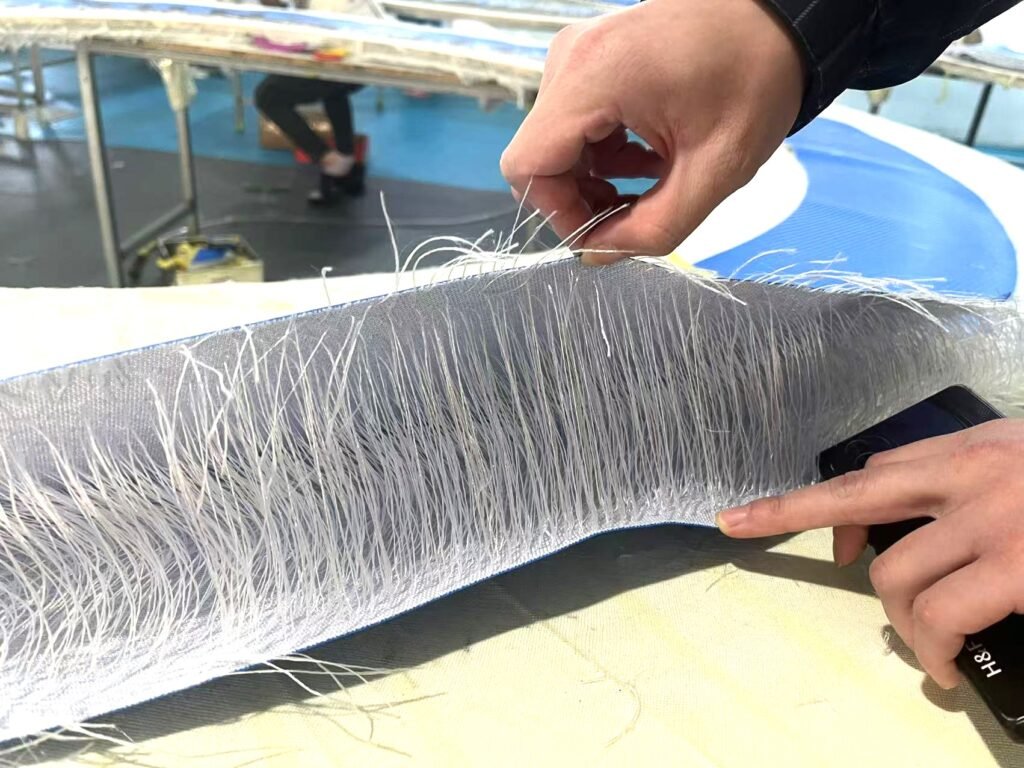
Most modern inflatable docks use drop stitch construction combined with reinforced PVC materials to create a rigid and stable surface on the water.
Inflatable floating docks are commonly used for:
- Yacht swim platforms
- Floating lounge areas
- Temporary lake docks
- Water sports platforms
- Resort recreation spaces
One of the biggest advantages of inflatable docks is that they can be deflated, folded, and transported easily when not in use.
What Is a Traditional Floating Dock?
Traditional floating docks are usually built using:
- Plastic modular systems
- Foam-filled floating structures
- Aluminum frames
- Wooden deck surfaces
These docks are commonly installed in:
- Marinas
- Residential waterfronts
- Permanent lake docks
- Commercial docking facilities
Traditional dock systems are generally designed for long-term or permanent installation rather than portability.
Portability Comparison
Portability is one of the biggest differences between inflatable floating docks and traditional floating dock systems.
Inflatable Floating Dock Advantages
Inflatable docks are:
- Lightweight
- Foldable
- Easy to transport
- Compact during storage
Most inflatable docks can fit into storage bags and be transported by vehicle or boat without requiring special equipment.
This makes them ideal for:
- Seasonal use
- Yacht owners
- Temporary waterfront setups
- Mobile water sports businesses
Traditional Floating Dock Limitations
Traditional docks are significantly heavier and often require:
- Trailers
- Assembly equipment
- Permanent anchoring
- Larger storage areas
Once installed, they are usually difficult to relocate.
Installation & Storage
Inflatable floating docks are generally much faster to set up compared with traditional floating dock systems.
Inflatable Dock Setup
Most inflatable docks can be:
- Inflated within minutes
- Installed without tools
- Packed away after use
This flexibility is especially valuable for users who only need seasonal or temporary dock access.
Traditional Dock Installation
Traditional floating docks often require:
- Assembly
- Hardware installation
- Anchoring systems
- Multiple people for setup
Permanent installations may also require additional maintenance and seasonal removal in colder climates.
Stability & Weight Capacity
Stability is one of the main concerns buyers consider when comparing inflatable docks and traditional floating docks.
Traditional Floating Docks
Traditional dock systems usually provide:
- Strong structural rigidity
- Stable walking surfaces
- Higher permanent load capacity
They are often preferred for:
- Marina operations
- Long-term installations
- Heavy equipment access
Inflatable Floating Docks
Modern inflatable docks built with drop stitch construction can also provide impressive rigidity and stability.
Commercial-grade inflatable docks are capable of supporting:
- Multiple users
- Water sports equipment
- Lounge furniture
- Jet skis in some applications
High-pressure drop stitch technology allows inflatable docks to maintain a firm and flat surface similar to hard platforms.
Maintenance Requirements
Maintenance is another important factor when comparing floating dock systems.
Inflatable Floating Dock Maintenance
Inflatable docks generally require:
- Basic cleaning
- Proper drying before storage
- Air pressure checks
- Occasional PVC inspections
Because they are portable, they can also be stored indoors to reduce long-term UV exposure.
Traditional Floating Dock Maintenance
Traditional docks may require:
- Hardware replacement
- Wood treatment
- Structural inspections
- Foam repair
- Seasonal removal
Permanent exposure to water and sunlight can increase long-term maintenance costs.
Which Option Is Better for Yachts?
For yacht owners, inflatable swim docks are often the preferred solution.
Their portability and compact storage make them highly practical for marine applications where onboard space is limited.
Inflatable yacht docks are commonly used for:
- Swimming
- Sunbathing
- Launching paddle boards
- Relaxing near the water
- Creating temporary lounge areas
Traditional dock systems are generally less practical for private yacht use due to their size and installation requirements.
Which Dock Is Better for Resorts & Commercial Use?
Both inflatable docks and traditional docks can work well for resorts and commercial waterfront businesses.
Inflatable Docks for Resorts
Inflatable docks are ideal for:
- Seasonal recreation areas
- Floating lounges
- Water sports operations
- Temporary event spaces
Modular inflatable systems also allow operators to expand or reconfigure layouts when needed.
Traditional Docks for Commercial Facilities
Traditional docks may be better suited for:
- Permanent marinas
- Heavy-duty docking operations
- Long-term waterfront infrastructure
The best solution often depends on operational flexibility and installation requirements.
Cost Comparison
Cost differences between inflatable floating docks and traditional dock systems can vary significantly depending on size and construction.
Inflatable Floating Docks
Inflatable docks often provide:
- Lower transportation costs
- Lower storage costs
- Reduced installation expenses
- Better portability value
However, commercial-grade inflatable docks with reinforced construction may still represent a significant investment.
Traditional Floating Docks
Traditional dock systems may involve:
- Higher installation costs
- More expensive transportation
- Greater maintenance expenses
- Permanent anchoring systems
Long-term infrastructure projects can increase the total ownership cost substantially.
Pros and Cons Summary
| Feature | Inflatable Floating Dock | Traditional Floating Dock |
|---|---|---|
| Portability | Excellent | Limited |
| Storage | Compact | Requires large space |
| Installation | Fast | More complex |
| Weight | Lightweight | Heavy |
| Permanent Use | Moderate | Excellent |
| Maintenance | Lower | Higher |
| Flexibility | High | Lower |
| Transport | Easy | Difficult |
Which Floating Dock Should You Choose?
The best floating dock depends entirely on the intended application.
Inflatable floating docks are usually the better choice for:
- Yacht owners
- Seasonal lake use
- Water sports businesses
- Resorts
- Portable recreation setups
Traditional floating docks are often more suitable for:
- Permanent marina installations
- Heavy-duty commercial docking
- Long-term waterfront infrastructure
Understanding how the dock will be used is the most important factor when selecting the right solution.
Final Thoughts
Both inflatable floating docks and traditional floating dock systems offer unique advantages depending on the environment and usage requirements.
For buyers who value portability, easy storage, fast installation, and flexible recreation space, inflatable floating docks provide a highly practical solution.
For permanent installations requiring maximum structural rigidity and long-term infrastructure, traditional floating docks may still be the preferred option.
Before purchasing, buyers should carefully evaluate:
- Intended use
- Installation requirements
- Storage space
- Weight capacity
- Maintenance expectations
- Long-term operational costs
Choosing the right floating dock can significantly improve safety, convenience, and overall waterfront experience.

Related Articles
How to Choose an Inflatable Floating Dock
How to Choose the Right Inflatable Kayak and Kayak Floor for Your Rental Business
Inside a Drop Stitch Kayak Factory: OEM Manufacturing Process Explained
Related Products:
– Inflatable Kayak
– Drop Stitch Boat
– Inflatable Dock Floats
 Contact Us for More Details
 Fast Response within 24h
OEM / ODM Available
Best Factory Price
[ WhatsApp Inquiry ] [  Email Us ]