Water trampolines and water bouncers are often confused because both are inflatable floating recreational products designed for lakes, resorts, camps, and water parks. However, despite their similar appearance, they are built differently and provide very different user experiences.
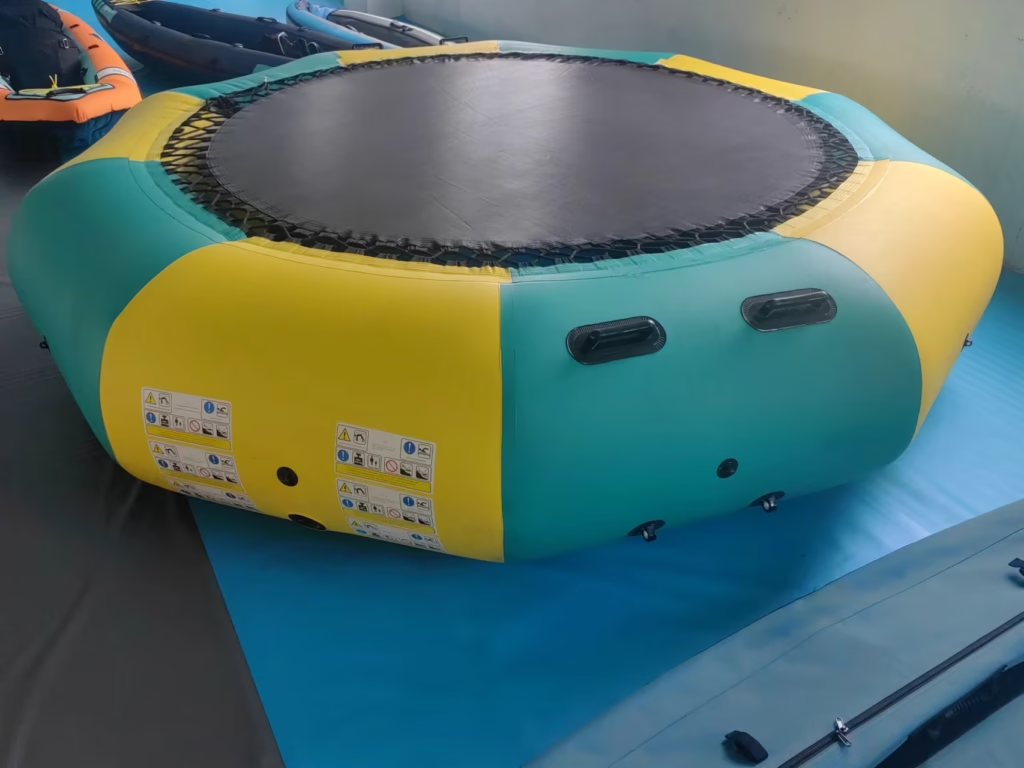
A water trampoline typically uses metal springs and a jumping mat to create a stronger and more responsive bounce, similar to a traditional backyard trampoline. A water bouncer, on the other hand, relies entirely on inflatable air chambers and offers a softer, more forgiving jumping surface.
For resorts, rental businesses, camps, and commercial floating water parks, understanding the difference between these two products is important when choosing the right inflatable water attraction.
In this guide, we’ll compare water trampolines and water bouncers in terms of structure, bounce performance, durability, safety, maintenance, and commercial applications.
What Is a Water Trampoline?
- Equipped with steel frames and stainless steel springs for powerful, responsive bounce
- Large size with high weight capacity for multiple users
- Suitable for adults, teens, and experienced water players
- Ideal for energetic play, tricks, and long-hour outdoor use
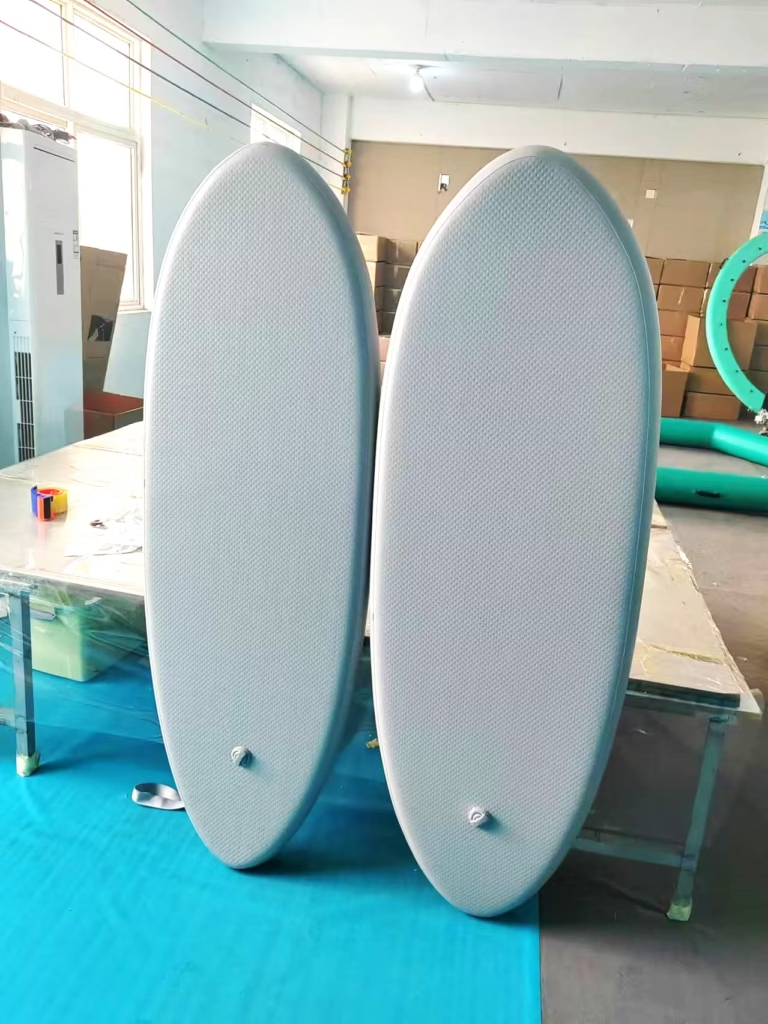
What Is a Water Bouncer?
- Springless, frameless inflatable construction for safe, soft bouncing
- Compact, lightweight, and easy to set up and transport
- Low gentle bounce ideal for toddlers, young kids, and casual players
- Multi-use as a floating mat, resting platform, and kids’ water toy
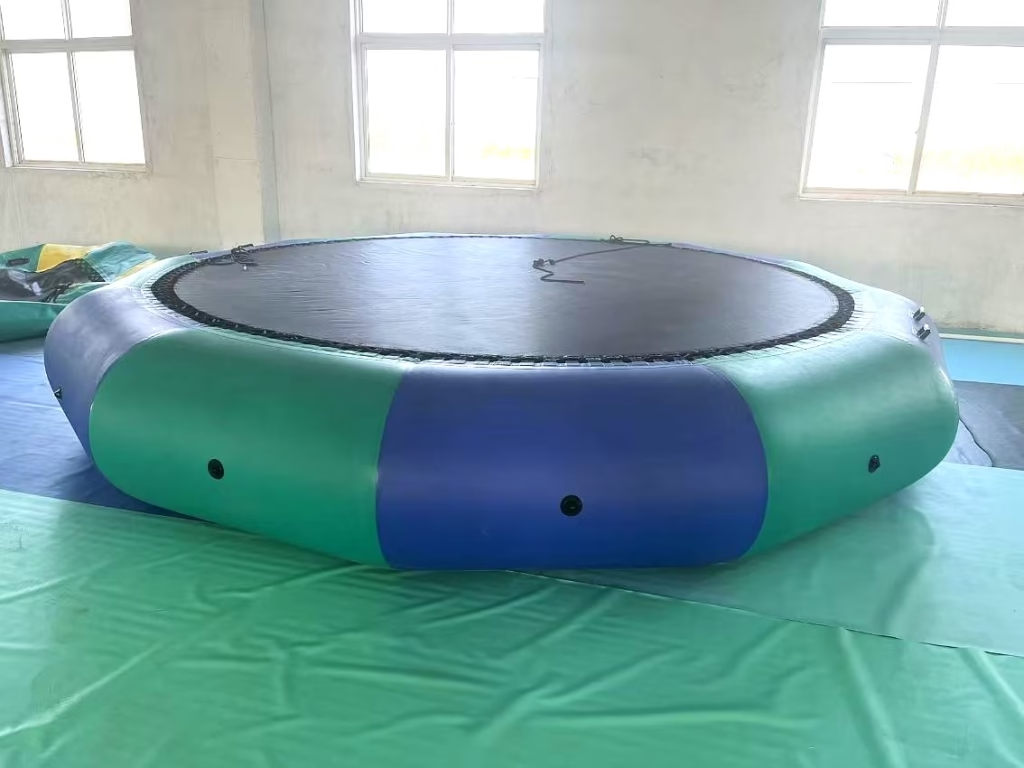
Core Differences: Water Trampoline vs Water Bouncer
1. Construction & Bounce Quality
2. Size & Weight Capacity
3. Setup & Portability
4. Safety Level
5. Usage Scenarios
- Teenagers and adult water sports lovers
- Group parties, summer camps, and water park facilities
- Open calm water like large lakes and quiet bays
- Users who want high jumps and stunt practice
- Young kids, toddlers, and family casual recreation
- Backyard pools, small lakes, and dockside play
- Users looking for floating relaxation and mild play
- Travelers who need portable water toys
6. Price Range
Quick Comparison Table
Feature | Water Trampoline | Water Bouncer |
|---|---|---|
Construction | Metal frame + steel springs | Frameless + webbing straps (springless) |
Bounce Performance | High, firm, powerful bounce | Low, soft, gentle bounce |
Weight Capacity | High (for adults & groups) | Low (for young kids) |
Setup Time | 30+ minutes (complex assembly) | 5–10 minutes (easy inflation) |
Portability | Bulky, hard to transport | Lightweight, highly portable |
Price | Higher | Affordable |
Which Offers Better Bounce Performance?
When it comes to bounce performance, water trampolines clearly provide a more powerful and exciting jumping experience.
Because the jumping mat is supported by metal springs, users can achieve greater height and stronger rebound energy. This makes water trampolines more attractive for teenagers, adults, and commercial recreational facilities seeking a premium experience.
Water bouncers create bounce entirely through air pressure, which produces a softer and less responsive effect. While this may be preferable for younger children and casual recreation, it does not deliver the same athletic jumping sensation as a trampoline.
For commercial operations aiming to create a high-energy attraction, water trampolines are typically the preferred option.
Which Is Better for Commercial Use?
Both products can be used commercially, but they serve different business models.
Water Trampolines Are Better For:
- Resorts
- Floating water parks
- Rental businesses
- Premium lake attractions
- High-traffic recreational operations
Their stronger bounce performance and larger visual impact often make them more attractive to paying customers.
Commercial inflatable water trampolines are especially popular in resorts and aquatic recreation centers because they help create a more exciting guest experience.
Water Bouncers Are Better For:
- Camps
- Small recreational lakes
- Family-oriented operations
- Portable rental setups
- Lower-budget recreational projects
Water bouncers are easier to transport and install, making them suitable for operators who frequently move equipment between locations.
Which One Should You Choose?
The best choice depends on your intended use, target customers, budget, and operating environment.
Choose a Water Trampoline If You Need:
- Stronger bounce performance
- Premium recreational attraction
- Commercial rental operation
- Resort or water park equipment
- High-energy user experience
Choose a Water Bouncer If You Need:
- Easier setup and transportation
- Lower initial investment
- Softer family-friendly recreation
- Portable lake entertainment
- Simpler maintenance
For commercial operators seeking a more exciting and visually impactful attraction, water trampolines are usually the preferred option.
For smaller recreational projects or portable setups, water bouncers may offer better flexibility and lower operating complexity.
FAQ
Is a water trampoline better than a water bouncer?
A water trampoline generally provides stronger bounce performance and a more dynamic recreational experience, while a water bouncer offers softer and simpler inflatable recreation.
Which is safer for children?
Both products can be safe when properly installed and supervised. Water bouncers may feel softer for younger children, while water trampolines require more controlled use due to higher bounce performance.
Why are water trampolines more expensive?
Water trampolines use additional components such as springs, jumping mats, and reinforced structural systems, which increase manufacturing complexity and cost.
Which product is better for rental businesses?
Commercial water trampolines are often preferred for rental businesses because they create a stronger visual attraction and higher recreational value.
What material is best for commercial inflatable water equipment?
Reinforced commercial-grade PVC with UV resistance and heat-welded seams is commonly considered the best option for durability and outdoor performance.
Can water trampolines be customized?
Yes. Commercial inflatable water trampolines can usually be customized in size, color, logo, accessories, and overall design for OEM and wholesale projects.
Related Articles
Custom Water Trampoline & Floating Bouncer Supplier for Commercial Use
How to Choose the Right Inflatable Kayak and Kayak Floor for Your Rental Business
Related Products
Custom Drop Stitch Floor – High Performance Inflatable Rigid Flooring
Commercial Inflatable Water Trampolines for Resorts & Water Parks