Top 10 Electric Surfboard Problems Buyers Worry About Most
Electric surfboards (also known as e-surfboards or jet boards) are becoming increasingly popular in water sports and tourism markets. However, behind the exciting performance and futuristic design, many buyers—especially first-time users and business purchasers—share similar concerns.
Before investing in an electric surfboard, it’s important to understand the most common problems users face in real-world conditions.
This guide breaks down the top 10 issues buyers worry about most, so you can avoid costly mistakes.
1. Battery Drains Faster Than Expected
One of the most common complaints is that ride time feels shorter than advertised.
While manufacturers often claim 40–60 minutes of runtime, real-world usage may be lower due to:
- High-speed riding
- Heavy rider weight
- Cold water conditions
👉 This is why battery efficiency is often more important than advertised capacity.
2. Sudden Power Cut-Off During Riding
Some users report unexpected shutdowns while riding.
This can be caused by:
- Overcurrent protection triggered by BMS
- Voltage imbalance between cells
- Poor-quality battery management systems
Modern systems should include intelligent protection and stable battery monitoring to avoid mid-ride interruptions.
3. Water Leakage and Waterproofing Failure
Water ingress is a serious issue for electric surfboards.
Common failure points:
- Battery compartment seals
- Connector interfaces
- Control housing
👉 Even small leaks can damage the entire system and lead to expensive repairs.
4. Expensive Battery Replacement Costs
Many buyers underestimate long-term battery costs.
Lithium battery packs typically degrade after:
- 300–500 cycles depending on quality
Replacement costs can be significant, especially for high-capacity systems.
👉 This is why some advanced systems now include battery health monitoring (SOH) to track degradation over time.
5. Overheating During High-Speed Riding
High-performance jet boards generate significant heat.
Overheating can lead to:
- Reduced performance
- Automatic power reduction
- System shutdown for protection
Proper thermal design and cooling systems are essential for stable performance.
6. Lack of Spare Parts and After-Sales Support
This is a major concern for both individual buyers and rental businesses.
Common issues include:
- Difficulty sourcing replacement parts
- Long repair times
- Limited technical support
👉 For B2B buyers, after-sales capability is often more important than initial price.
7. Stability Issues for Beginners
Not all electric surfboards are beginner-friendly.
Some models may feel:
- Too narrow
- Too sensitive to throttle input
- Difficult to balance at low speed
👉 Beginners should prioritize stability over maximum speed.
8. High Maintenance Requirements
Although electric surfboards are relatively simple mechanically, maintenance is still required.
Typical maintenance tasks include:
- Cleaning saltwater after use
- Checking seals and connectors
- Battery care and storage
- Firmware updates (for smart systems)
Neglecting maintenance can significantly shorten product lifespan.
9. Lack of Smart Monitoring (Battery Health & Data)
Many lower-end models do not provide real-time battery diagnostics.
Modern users increasingly expect:
- Battery percentage accuracy
- Cycle count tracking
- State of health (SOH) monitoring
- App-based control systems
This is becoming more important as regulations evolve under frameworks such as EU Battery Regulation 2023/1542, which emphasizes battery transparency and lifecycle tracking.
10. Compliance and Certification Uncertainty
Many buyers are unsure whether the product meets international safety standards.
Key concerns include:
- CE compliance
- Battery transport certification (UN38.3)
- Electrical safety validation
For example, battery systems used in electric surfboards are often designed to align with safety expectations from EN 50604-1 to improve reliability and reduce risk.
Final Thoughts
Electric surfboards offer an exciting and innovative water experience, but they are also technically complex products. Understanding these common problems before buying helps you avoid costly mistakes and choose a more reliable system.
Key takeaway:
- Don’t focus only on speed or design
- Pay attention to battery quality and safety systems
- Evaluate long-term maintenance and support
For commercial buyers, reliability, serviceability, and compliance matter even more than performance.
Looking for a Reliable Electric Surfboard Solution?
If you’re comparing suppliers or planning OEM/private label development, choosing a stable battery system and experienced manufacturer is critical for long-term success.
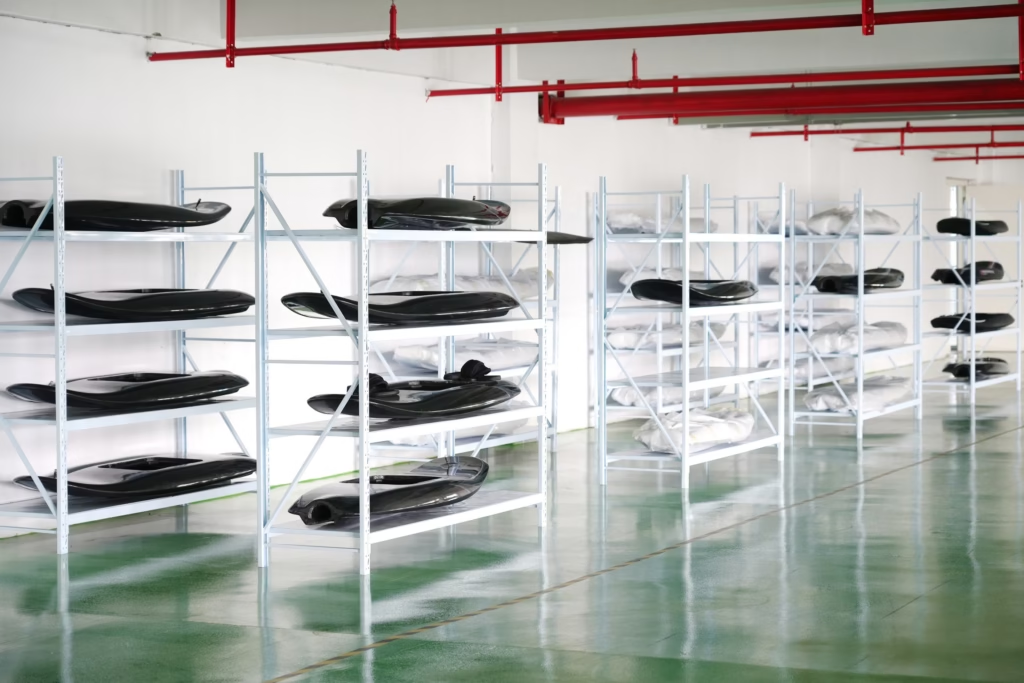
Learn more about our complete manufacturing solutions.
Explore our complete product portfolio.
[  WhatsApp Inquiry ] [
  Email Us ]