How to Choose an Inflatable Floating Dock
Inflatable floating docks have become increasingly popular for yachts, lakeside recreation, resorts, beach clubs, and water sports operations. Compared with traditional floating docks, inflatable docks are lightweight, portable, easy to store, and much simpler to transport.
However, not all inflatable floating docks are built the same. Differences in construction, materials, dock thickness, shape, and weight capacity can significantly affect durability, stability, and long-term performance on the water.
Whether you are sourcing an inflatable swim platform for a private yacht or looking for a commercial floating dock for resort operations, choosing the right design is important for both safety and user experience.
This guide explains the key factors buyers should consider before choosing an inflatable floating dock.
What Is an Inflatable Floating Dock?
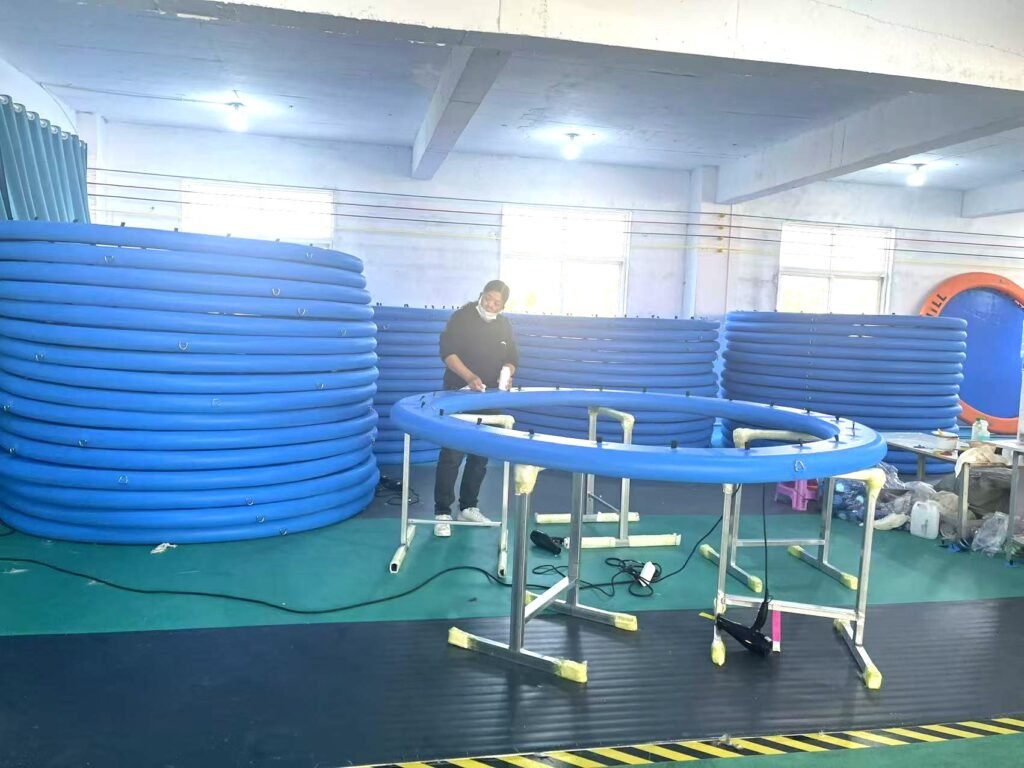
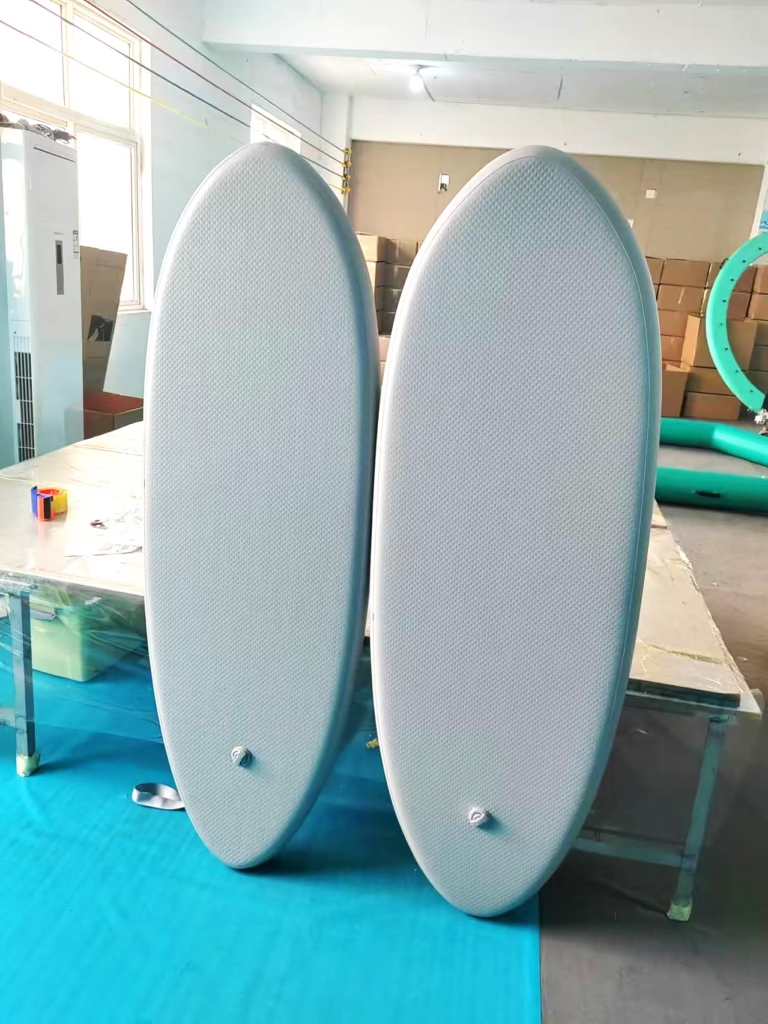
An inflatable floating dock is a high-pressure inflatable structure designed for swimming, relaxing, docking, and water recreation activities. Most modern inflatable docks use drop stitch construction combined with reinforced PVC materials to create a rigid and stable surface on the water.
These inflatable docks are commonly used as:
- Inflatable swim platforms
- Yacht floating docks
- Floating lounge docks
- Water sports resting stations
- Lake swimming docks
- Resort recreation docks
Unlike traditional foam docks or heavy modular systems, inflatable floating docks can be deflated and packed into compact storage bags when not in use.
Where Are Inflatable Floating Docks Used?
One reason inflatable floating docks are growing in popularity is their versatility across different marine and recreational environments.
Yacht Swim Platforms
Many yacht owners use inflatable swim platforms as temporary extensions behind the boat for swimming, sunbathing, launching water toys, or relaxing near the water.
Compared with rigid swim platforms, inflatable docks are easier to transport and require less onboard storage space.
Lake Floating Docks
Inflatable floating docks are commonly used on lakes for family recreation, fishing access, swimming areas, and kayak launching.
Because they are lightweight and portable, they are ideal for seasonal installation and temporary waterfront setups.
Resort & Beach Club Docks
Commercial resorts and beach clubs often use large inflatable docks as floating lounge areas or activity zones for guests.
Modular inflatable systems can also be connected together to create larger floating recreation spaces.
Water Sports Resting Stations
Inflatable docks are widely used in water sports operations for resting, equipment staging, and safety support.
They are especially useful for:
- Paddle boarding
- Kayaking
- Jet skiing
- Wakeboarding
- Open water swimming
Round vs Rectangular Inflatable Floating Docks
Dock shape is one of the most important considerations when choosing an inflatable floating dock.
Round Inflatable Docks
Round inflatable docks are typically designed for relaxation and recreational use.
They are ideal for:
- Floating lounges
- Swimming areas
- Social gatherings
- Resort recreation spaces
The circular design creates a more open and social environment on the water.
Rectangular Inflatable Docks
Rectangular inflatable docks are usually better suited for practical and commercial applications.
They are commonly used for:
- Yacht docking
- Jet ski parking
- Equipment staging
- Commercial water operations
Their straight edges also make them easier to connect with other floating dock systems.
Why Drop Stitch Construction Matters
Drop stitch technology is one of the most important factors affecting the quality of an inflatable floating dock.
In drop stitch construction, thousands of internal polyester threads connect the upper and lower PVC layers. This allows the dock to maintain a flat and rigid shape when inflated at high pressure.
High-quality inflatable docks offer several advantages:
- Better rigidity
- Improved stability
- Higher weight capacity
- Greater durability
- More comfortable walking surfaces
Commercial-grade inflatable floating docks often use reinforced drop stitch cores combined with heavy-duty PVC outer layers for maximum strength.
What Size Inflatable Floating Dock Do You Need?
The ideal dock size depends on how the inflatable dock will be used and how many people it needs to support.
Small Inflatable Docks
Smaller docks are suitable for:
- Personal recreation
- Kayaking
- Fishing
- Small family use
These docks are easier to transport and inflate.
Medium Inflatable Docks
Medium-sized inflatable docks are commonly used for:
- Family swimming
- Yacht relaxation areas
- Floating sunbathing spaces
They provide a good balance between portability and usable space.
Large Commercial Inflatable Docks
Large inflatable docks are often used by:
- Resorts
- Beach clubs
- Water sports businesses
- Event operators
Commercial docks usually require higher air pressure, reinforced seams, and additional anchoring systems.
Key Features to Look For
When comparing inflatable floating docks, buyers should pay close attention to construction details and material quality.
Anti-Slip EVA Surface
An EVA foam surface improves comfort and reduces slipping when the dock is wet.
Reinforced D-Rings
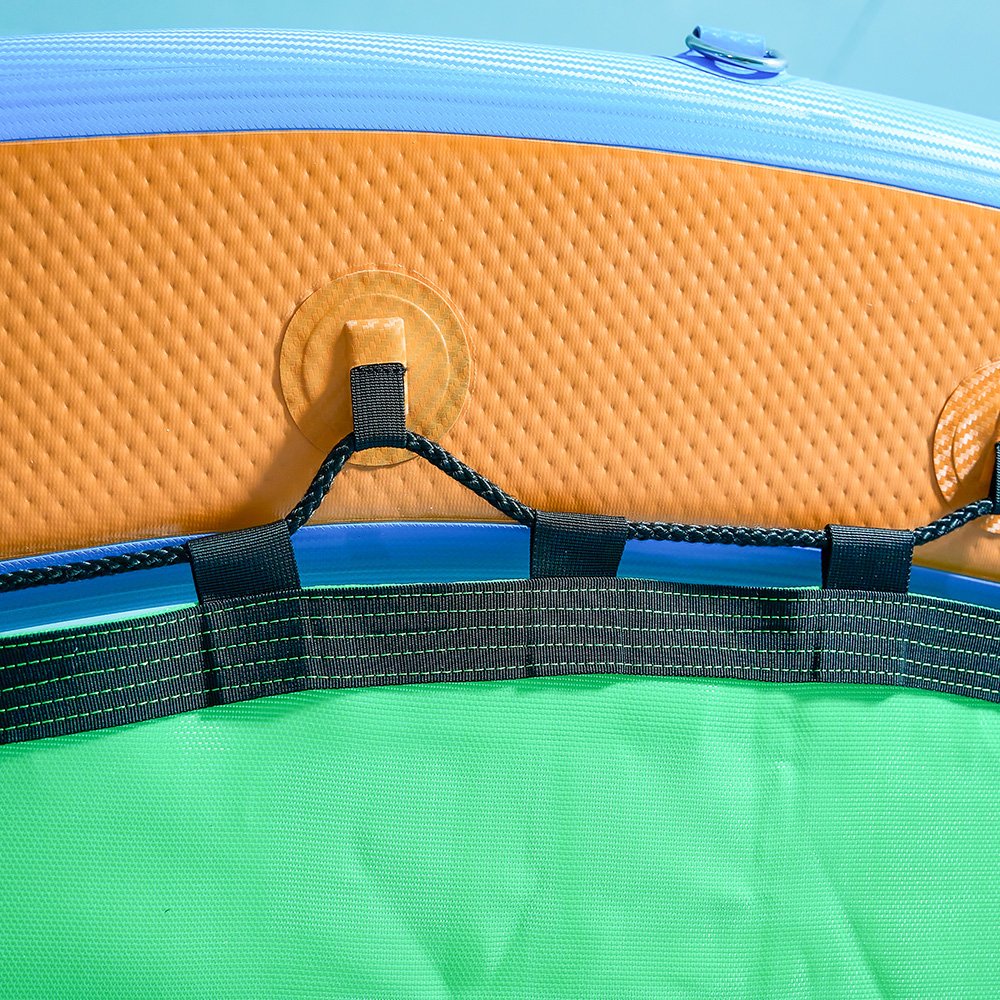
Heavy-duty stainless steel D-rings are important for anchoring, towing, and connecting accessories.
UV-Resistant PVC
Marine environments expose inflatable docks to strong sunlight, saltwater, and moisture. UV-resistant PVC helps improve long-term durability.
Heat Welded Seams
Heat welded seams generally provide stronger and more reliable construction than glued seams, especially for commercial applications.
Multiple Air Chambers
Inflatable docks with multiple air chambers can provide additional safety and improved structural stability.
Inflatable Floating Dock vs Traditional Floating Dock
Many buyers compare inflatable docks with traditional floating dock systems before making a purchase decision.
Inflatable floating docks offer several advantages:
- Easier transportation
- Compact storage
- Faster installation
- Lower maintenance
- Better portability
Traditional floating docks, however, may provide:
- Permanent installation
- Higher rigidity
- Larger modular systems
For seasonal recreation, yacht use, and portable commercial operations, inflatable docks are often the more practical solution.
Common Buying Mistakes
Choosing the wrong inflatable floating dock can lead to durability problems and poor user experience.
Some common mistakes include:
Choosing Low-Pressure Construction
Docks with insufficient air pressure may feel unstable on the water.
Ignoring Material Thickness
Thin PVC materials may wear out faster under commercial or heavy-duty use.
Selecting the Wrong Size
A dock that is too small may not provide enough usable space for the intended activity.
Overlooking UV Resistance
Poor UV protection can reduce product lifespan in outdoor marine environments.
How Durable Are Inflatable Floating Docks?
The durability of an inflatable floating dock depends mainly on:
- Material quality
- PVC thickness
- Seam construction
- UV resistance
- Proper maintenance
High-quality commercial inflatable docks made from reinforced PVC and drop stitch construction can withstand years of regular use in marine environments.
Inflatable docks designed for saltwater applications should also use corrosion-resistant hardware and UV-resistant coatings.
With proper care and storage, inflatable floating docks can maintain excellent performance over long-term use.
Final Thoughts
Choosing the right inflatable floating dock depends on how and where the dock will be used. Factors such as dock shape, construction quality, material strength, and intended application all play an important role in long-term performance.
For yacht owners, resorts, beach clubs, and commercial water recreation businesses, investing in a well-constructed inflatable swim platform or floating dock can significantly improve durability, safety, and user experience.
When comparing suppliers, buyers should focus not only on price, but also on material quality, seam technology, load capacity, and manufacturing experience.