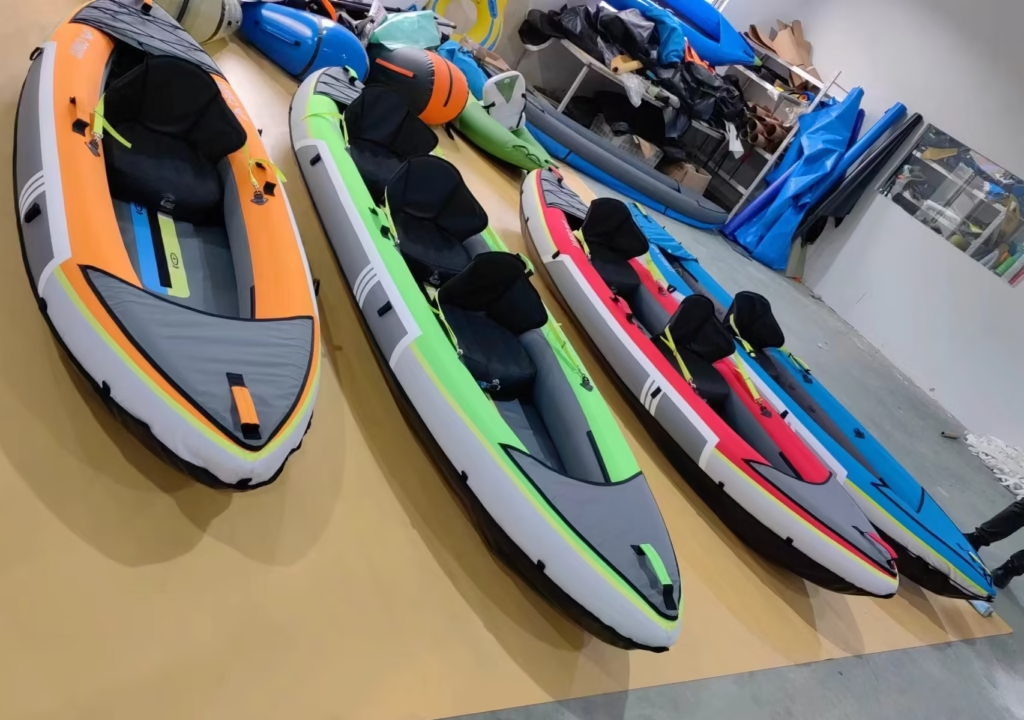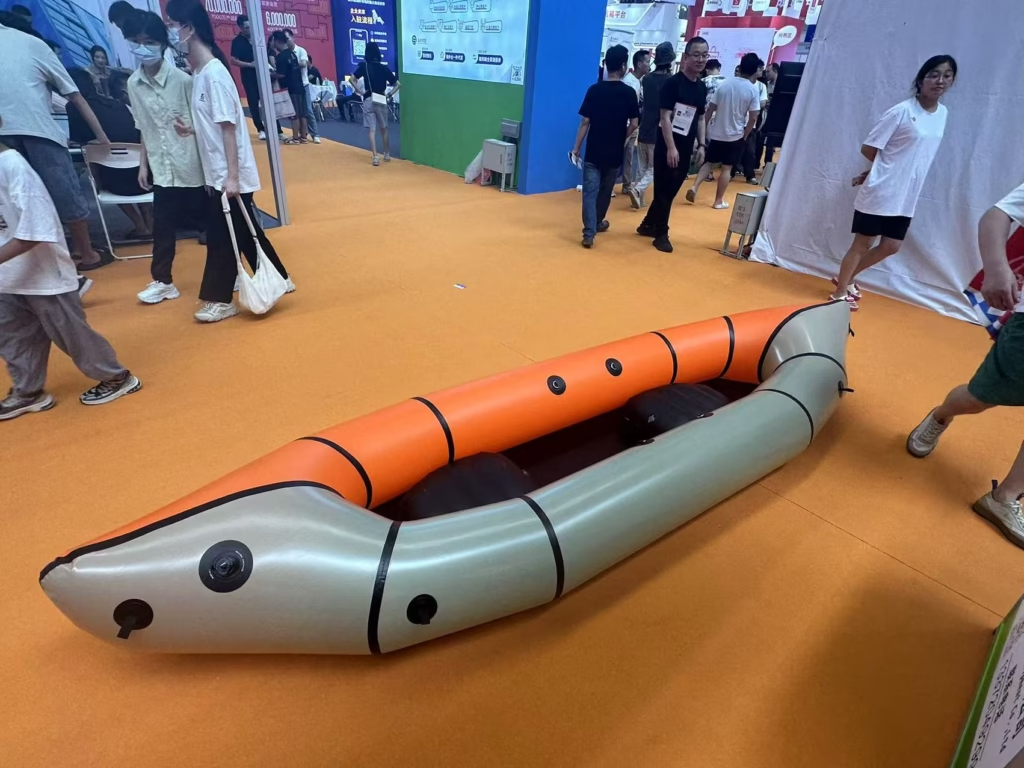
OEM Inflatable Kayak Manufacturing Process
Inflatable kayaks have evolved into a major global manufacturing category used by outdoor brands, rental companies, distributors, and e-commerce sellers.
Unlike entry-level consumer products, modern inflatable kayaks rely on advanced materials such as drop stitch structures, precision welding technology, and customizable OEM design systems.
This guide explains everything from product structure to manufacturing process and how to choose the right OEM supplier .
What Is an Inflatable Kayak?
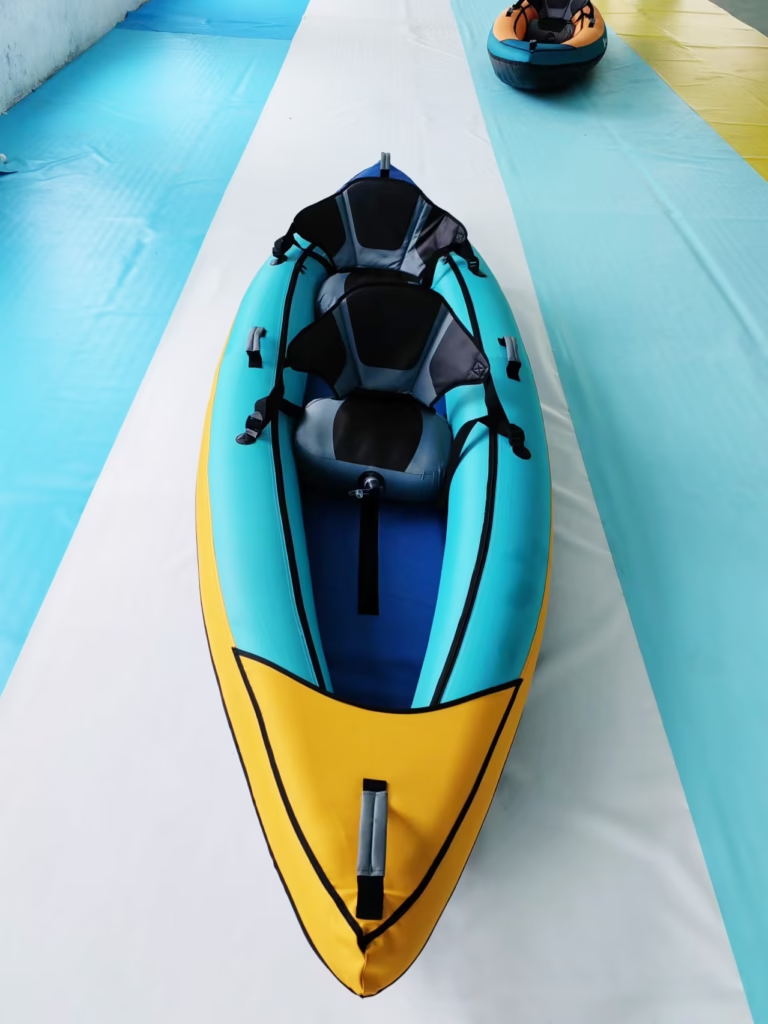
An inflatable kayak is a lightweight watercraft designed with air chambers instead of a rigid hull. It can be deflated for storage and transported in a compact bag or carrying case. Compared with hard shell kayaks, inflatable kayaks are easier to store, easier to carry, and often more convenient for casual users.
They are commonly used on lakes, calm rivers, coastal waters, and in some whitewater conditions depending on the design. Most models include a seat, paddles, fins, and a pump, while higher-end versions may feature reinforced floors and improved tracking systems.
Why Choose an Inflatable Kayak?
Portable and Easy to Store
One of the biggest advantages of an inflatable kayak is portability. After use, it can be deflated, folded, and stored in a relatively small space. This makes it ideal for users who live in apartments, travel frequently, or do not have room for a hard shell kayak.
Lightweight for Transport
Inflatable kayaks are easier to move than traditional kayaks. Many models can be carried by one person, loaded into a car trunk, or transported without a roof rack. This makes them a strong choice for people who want a kayak without the logistics of large equipment.
Beginner-Friendly Stability
Many inflatable kayaks are designed with wider bodies and multiple air chambers, which improves stability on the water. For beginners, this can create a more comfortable and confident paddling experience. The softer structure also helps reduce the impact of bumps and minor contact.
Versatile for Different Water Activities
Inflatable kayaks can be used for a wide range of activities, including casual paddling, family recreation, fishing, and touring. Some models are designed for calm water, while others are built for more demanding environments such as rivers or whitewater.
Types of Inflatable Kayaks
Recreational Inflatable Kayaks
Recreational models are designed for casual users who want an easy, affordable, and comfortable kayak for short trips. They are usually stable, easy to handle, and suitable for lakes and calm waterways.
Touring Inflatable Kayaks
Touring kayaks are built for longer distances and more efficient paddling. They often have a sleeker shape, better tracking, and improved speed compared with recreational models.
Fishing Inflatable Kayaks
Fishing kayaks focus on stability, load capacity, and accessory compatibility. They may include rod holders, gear mounts, and extra storage space for equipment.
Whitewater Inflatable Kayaks
These kayaks are designed for more challenging water conditions. They need stronger construction, better maneuverability, and durable materials that can handle impact and rough use.
Tandem Inflatable Kayaks
Tandem kayaks are made for two people. They are a good option for couples, families, or buyers who want to paddle together and share gear.
Solo Inflatable Kayaks
Solo models are lighter and easier to manage by one person. They are suitable for individual users who value convenience and portability.
Materials and Construction
PVC
PVC is one of the most common materials used in inflatable kayaks. It offers a good balance of cost, durability, and weight, which makes it popular in mainstream consumer products.
Reinforced PVC
Reinforced PVC adds extra strength and wear resistance. This improves the kayak’s ability to handle regular use, abrasion, and outdoor conditions.
Hypalon
Hypalon is known for its durability and resistance to harsh environments. It is often used in higher-end inflatable boats and is valued for long-term performance.
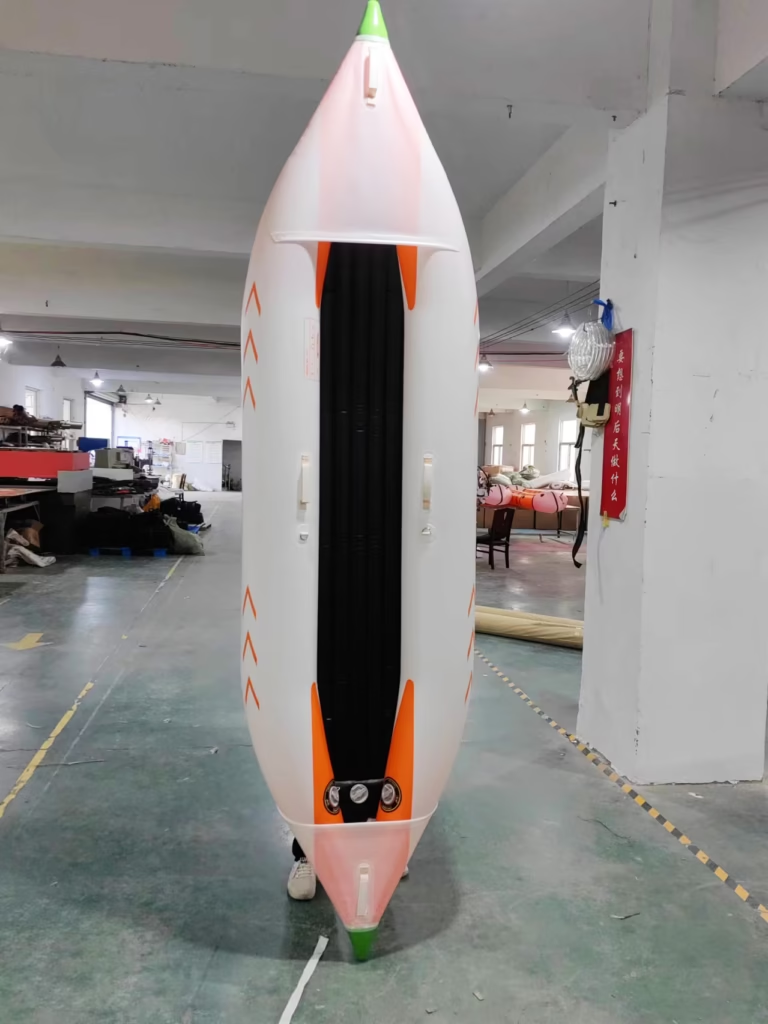
Drop-Stitch Construction
Drop-stitch floors create a firmer and more rigid surface when inflated. This improves stability, efficiency, and paddling feel, especially in higher-pressure designs.
Fabric Reinforcement
Some inflatable kayaks use layered fabric reinforcement to improve structural strength and resistance to punctures. This can extend product life and improve safety in demanding use cases.
Key Features Buyers Should Consider
Stability
Stability is one of the most important factors for inflatable kayak users. A wider hull, balanced chamber design, and strong floor structure can all improve stability on the water.
Durability
Durability depends on material quality, seam construction, and reinforcement in key wear areas. A durable kayak is more attractive to both retail customers and commercial users.
Weight Capacity
Weight capacity must match the user’s intended activity. Buyers should consider the paddler’s body weight, accessories, and any additional cargo or passenger load.
Comfort
A comfortable seat, proper legroom, and stable body support can improve the overall paddling experience. Comfort matters especially for longer trips and repeat customers.
Speed and Tracking
Tracking refers to how well the kayak moves in a straight line. Touring buyers usually care more about tracking and speed, while recreational users may value stability more.
Ease of Inflation
A product that is easy to inflate and deflate is more convenient for everyday users. Quick setup can be an important selling point in the retail market.
Portability
Compact packed size and manageable weight are major advantages of inflatable kayaks. These features make the product easier to ship, store, and sell online.
How to Choose the Right Inflatable Kayak
The right inflatable kayak depends on the target market and usage scenario. For example, beginners often prefer a stable recreational model, while experienced users may want a touring or performance model.
If your customers are focused on fishing, a stable platform with accessory options is essential. If your customers want long-distance paddling, a streamlined kayak with better tracking will be more suitable. If your business focuses on e-commerce, portability, easy storage, and simple setup may be the key selling points.
For wholesale buyers and brand owners, it is also important to consider price positioning, product appearance, packaging, and customization options. These details can affect market competitiveness and customer satisfaction.
Why Choose Us as Your Inflatable Kayak Manufacturer
We are not only a supplier, but also a factory that supports customized inflatable kayak production for different business needs. Our team works with brand owners, distributors, importers, and e-commerce sellers to develop products that fit their target market.
Direct Factory Supply
Working directly with a factory helps reduce communication layers and allows better control over product details, production planning, and pricing.
OEM and ODM Support
We provide OEM and ODM services for customers who need custom branding, product development, or market-specific adjustments. This includes design support, technical suggestions, and production solutions.
Stable Production Capacity
For wholesale and commercial projects, stable production capacity is important for meeting delivery schedules and supporting repeat orders. We can help buyers plan production according to their sales strategy.
Quality Control
We focus on material selection, seam inspection, inflation testing, and final product checks to help ensure consistent quality across production batches.
Market-Oriented Development
Different markets have different expectations. Some buyers need entry-level models for price-sensitive customers, while others need premium products with upgraded design and performance. We can support both directions.
Custom Inflatable Kayak Options
Size and Dimensions
We can adjust the size of the kayak based on your market requirements, including single, tandem, or larger capacity designs.
Color and Branding
Custom colors, printed logos, and brand identity elements help your product stand out in the market. This is especially important for private label buyers.
Material Selection
Different materials can be selected based on budget, durability, and target application. We can help recommend the most suitable material for your project.
Seat and Accessory Options
Seats, fins, footrests, handles, and storage accessories can be customized according to product positioning and user needs.
Packaging Customization
We can support branded packaging, instruction manuals, and carton design to help your product look more professional in retail and online sales.
OEM and ODM Service Process
Step 1: Share Your Project Requirements
You can tell us your target market, price range, preferred style, and expected features. The more information you provide, the more accurately we can support your project.
Step 2: Confirm Product Specifications
We will discuss the structure, material, size, color, accessories, and packaging details before moving into development.
Step 3: Sample Development
After confirming the main direction, we can prepare a sample for review and testing. This step helps ensure the product matches your expectations before mass production.
Step 4: Mass Production
Once the sample is approved, production can begin according to the confirmed specifications and order quantity.
Step 5: Inspection and Shipment
Before shipment, we carry out final checks to help ensure the product meets agreed requirements. Then the goods can be packed and prepared for delivery.
Inflatable Kayak vs Hard Shell Kayak
Inflatable kayaks are easier to store, ship, and transport. This makes them a better option for many retail customers and online buyers.
Hard shell kayaks may offer stronger performance in speed and tracking, but they are more difficult to handle in terms of storage and logistics. For many businesses, inflatable kayaks offer a more flexible and practical product category.
The best choice depends on the end user’s priorities. If convenience and portability matter most, inflatable kayaks are often the better solution.
How to Use and Maintain It
Setup and Inflation
Always follow the correct inflation order and avoid overinflating the chambers. Proper setup helps protect the product and improves performance.
Cleaning After Use
Rinse the kayak after use, especially after exposure to saltwater, sand, or mud. This helps protect the material and extends product life.
Drying and Storage
Make sure the kayak is completely dry before folding and storing it. Keep it in a cool, dry place away from direct sunlight and heat.
Basic Safety Practice
Users should always wear a personal flotation device and check weather and water conditions before paddling. Safety instructions are important for both retail customers and end users.
Frequently Asked Questions
Are inflatable kayaks durable?
Yes, quality inflatable kayaks can be very durable when made with proper materials and construction. Reinforced seams, strong fabric layers, and correct use all help extend lifespan.
How long does inflation take?
Inflation time depends on the kayak size and pump type. Many models can be set up quickly with the right pump.
Can inflatable kayaks be customized?
Yes, we support custom size, color, logo printing, accessories, and packaging based on customer requirements.
Do you provide OEM and ODM service?
Yes, we support OEM and ODM projects for buyers who need branded or market-specific inflatable kayaks.
Can inflatable kayaks be used for fishing?
Yes, many inflatable kayaks are suitable for fishing, especially models with high stability and accessory compatibility.
Contact for Custom Orders
If you are looking for a reliable inflatable kayak manufacturer, we can help you develop products that fit your target market. From product design and material selection to branding and packaging, we support custom solutions for wholesale buyers, distributors, and private label brands.
Related Articles
Learn more about our complete manufacturing solutions.

Explore our complete product portfolio.