Custom TPU Packraft: Manufacturing Process, Materials & OEM Solutions
Introduction
Packrafts have become increasingly popular among outdoor enthusiasts, adventure travelers, and water sports brands because they offer a unique combination of portability, performance, and versatility.
Compared with traditional inflatable boats, packrafts are designed to be lightweight, compact, and easy to transport. They can be carried in a backpack, allowing users to combine hiking, camping, and water exploration in one adventure.
For brands looking to develop their own inflatable water products, custom TPU packrafts provide an excellent opportunity to create lightweight, durable, and high-performance products with unique designs.
However, developing a reliable TPU packraft requires more than selecting a fabric and welding it together. Material selection, structural design, welding technology, and quality control all play important roles in the final product performance.
This guide explains the complete custom TPU packraft manufacturing process, from fabric selection to finished product production.
What Is a Custom TPU Packraft?
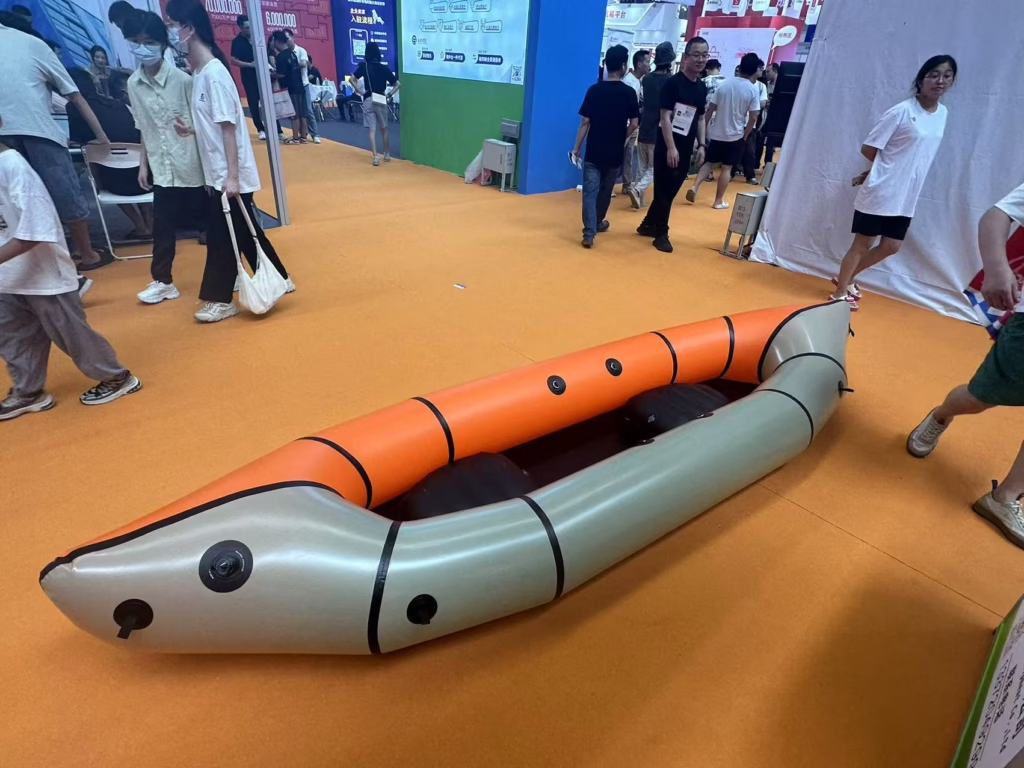
A custom TPU packraft is a lightweight inflatable raft developed according to a brand’s specific requirements, including:
- Size and shape
- Material selection
- Color design
- Accessories
- Logo and branding
- Packaging
TPU (Thermoplastic Polyurethane) is widely used for premium packrafts because it provides:
- Excellent flexibility
- High abrasion resistance
- Good cold-weather performance
- Strong airtight properties
- Smaller packed size compared with many traditional inflatable materials
For outdoor brands, TPU packrafts offer a balance between portability and durability.
Choosing the Right TPU Fabric for Custom Packrafts
The fabric is one of the most important factors affecting the performance of a packraft.
A typical TPU packraft fabric consists of:
- Nylon or polyester woven base fabric
- TPU coating layer
- Airtight TPU surface
The right fabric depends on the intended application, including recreational paddling, fishing, touring, or expedition use.
Common TPU Fabrics for Packrafts
| TPU Fabric | Features | Recommended Applications |
|---|---|---|
| 210D TPU | Lightweight and flexible with good portability | Ultralight packrafts |
| 420D TPU | Balanced strength, weight and durability | Most custom packrafts |
| 840D TPU | High abrasion resistance and maximum durability | Expedition and heavy-duty applications |
210D TPU
210D TPU is suitable for customers who prioritize:
- Lower weight
- Smaller packed size
- Easy transportation
It is commonly used for lightweight adventure packrafts.
420D TPU
420D TPU is one of the most popular choices because it provides a good balance between:
- Weight
- Strength
- Durability
It is suitable for most commercial packraft applications.
840D TPU
840D TPU is designed for more demanding environments where maximum durability is required.
Typical applications include:
- Professional outdoor use
- Expedition products
- High-abrasion environments
Custom TPU Packraft Manufacturing Process
1. Product Design and Development
Every custom packraft project starts with product design.
Before production, manufacturers need to confirm:
- Intended usage
- User requirements
- Size specifications
- Weight targets
- Material selection
- Functional accessories
The design stage determines:
- Hull shape
- Tube diameter
- Chamber structure
- Floor design
- Attachment points
A well-designed structure improves:
- Stability
- Tracking performance
- User comfort
- Overall durability
2. TPU Fabric Cutting
After the material is selected, the TPU fabric is precisely cut according to the product design.
Packrafts usually contain multiple components, including:
- Side tubes
- Bow and stern sections
- Floor panels
- Reinforcement areas
Accurate cutting is important because it affects:
- Product dimensions
- Symmetry
- Welding quality
- Final appearance
Professional production requires strict control of cutting accuracy to ensure every component fits correctly during assembly.
3. TPU Welding and Seam Construction
Welding is one of the most important steps in TPU packraft manufacturing.
Unlike many PVC inflatable products that rely heavily on adhesives, TPU materials are commonly joined through heat welding.
Common welding methods include:
Hot Air Welding
Hot air welding uses controlled heat and pressure to bond TPU layers together.
Advantages:
- Strong airtight seams
- Flexible production
- Suitable for custom products
High Frequency Welding
HF welding creates strong molecular bonding between TPU materials.
Advantages:
- Consistent quality
- Clean appearance
- Suitable for larger production volumes
During welding, manufacturers must carefully control:
- Temperature
- Pressure
- Welding time
Proper welding ensures:
- Long-term air retention
- Strong seams
- Improved product lifespan
4. Air Chamber Assembly
A professional packraft usually includes multiple air chambers.
Common structures include:
- Left and right side tubes
- Front chamber
- Rear chamber
- Inflatable floor chamber
Multiple chambers improve safety and performance by providing:
- Better buoyancy control
- Improved stability
- Additional protection during outdoor use
The assembly process requires precise alignment to ensure balanced inflation.
5. Floor Design and Custom Options
The floor design significantly affects the user experience.
Common options include:
Standard Inflatable Floor
Advantages:
- Lightweight
- Compact
- Easy transportation
Reinforced Floor
Advantages:
- Improved abrasion resistance
- Better durability for fishing and touring
Drop Stitch Floor
Advantages:
- Higher rigidity
- Better standing stability
- Improved performance for fishing applications
The best floor structure depends on the product’s intended market and usage.
6. Valve and Accessory Installation
Although valves are small components, they have a major impact on user experience.
Custom TPU packrafts can include:
- Inflation valves
- Deflation valves
- Pressure relief valves
- Carry handles
- D-rings
- Seat attachments
Valve installation requires reinforcement and precise welding to maintain:
- Airtight performance
- Long-term reliability
- Easy operation
7. Quality Control and Testing
Before shipment, every custom TPU packraft should go through strict quality inspection.
Typical tests include:
Air Leakage Testing
The packraft is inflated and monitored to ensure stable air pressure.
Seam Strength Inspection
Welded areas are checked for:
- Bonding quality
- Visual defects
- Consistency
Dimension Inspection
Key measurements include:
- Length
- Width
- Tube diameter
- Floor thickness
Folding and Packing Test
Because portability is one of the biggest advantages of packrafts, manufacturers should verify:
- Folded size
- Packing method
- Storage convenience
Custom TPU Packraft OEM Solutions for Brands
For outdoor brands, developing a custom TPU packraft allows complete control over product positioning.
OEM customization options include:
Material Selection
- 210D TPU
- 420D TPU
- 840D TPU
Product Design
- Custom dimensions
- Custom shape
- Different chamber structures
Branding
- Logo printing
- Custom colors
- Packaging design
Accessories
- Seats
- Storage systems
- Handles
- D-rings
- Repair kits
A professional OEM partner can support the entire development process from prototype to mass production.
Why Choose TPU for Custom Packrafts?
Compared with traditional inflatable materials, TPU offers several advantages:
Lightweight
TPU packrafts can achieve lower weight while maintaining strong performance.
Compact Storage
TPU materials remain flexible and can be folded into a smaller package.
Durability
High-quality TPU fabrics provide excellent resistance against abrasion and outdoor conditions.
Better Cold Resistance
TPU maintains flexibility better than many traditional materials in colder environments.
Conclusion
Developing a successful custom TPU packraft requires careful consideration of materials, structure, manufacturing processes, and quality control.
From selecting the right TPU fabric to precision cutting, advanced welding, and final testing, every step influences the final product performance.
For outdoor brands looking to create lightweight and durable inflatable water products, working with an experienced TPU packraft OEM manufacturer can help transform product concepts into reliable market-ready solutions.
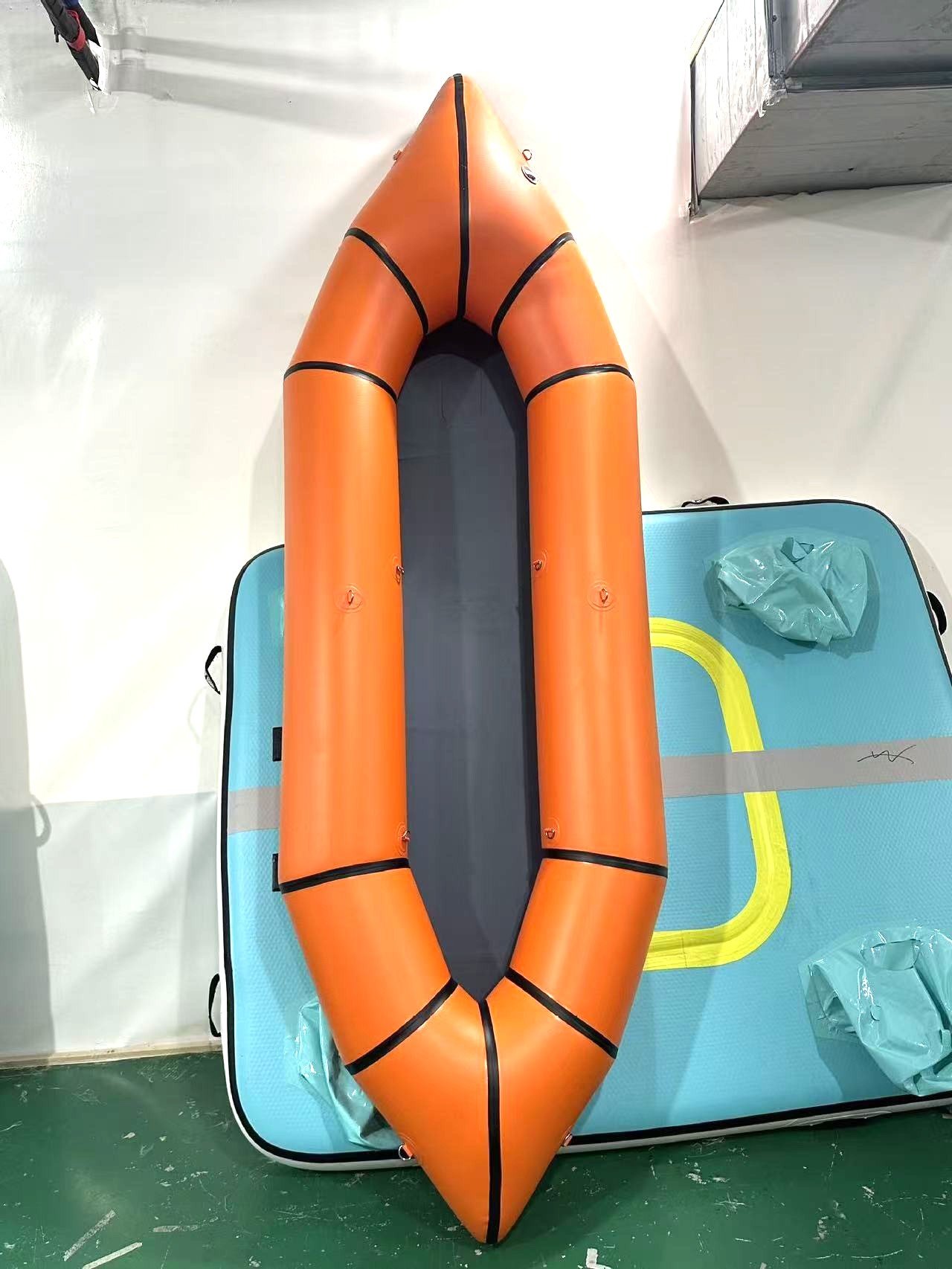
Learn More
Learn more about TPU Packraft manufacturing capabilities.
Related Solutions
Discover our full range of Inflatable Water Sports products.