Inflatable Product Maintenance Guide: How to Extend the Lifespan of PVC, TPU and Drop Stitch Products
Introduction
Inflatable products are widely used in outdoor recreation, water sports, rescue equipment and professional applications. From inflatable kayaks and paddle boards to packrafts, floating platforms and custom inflatable solutions, modern inflatable products are designed to provide reliable performance while remaining lightweight and portable.
However, even high-quality inflatable products require proper maintenance.
A common situation is that a product is purchased, stored for several years, and then used again for the first time. After inflation, users may notice air leakage, seam problems or pressure loss. In many cases, the issue is not caused by a single puncture, but by long-term storage conditions, material aging or component deterioration.
Understanding the characteristics of different materials and following proper maintenance procedures can significantly extend the service life of inflatable products.
This guide explains how to maintain and protect inflatable products made from PVC, TPU and Drop Stitch materials, including common problems, inspection methods and repair solutions.
1. Understanding Different Inflatable Product Materials
Different inflatable products use different materials depending on their application, weight requirements and durability expectations.
The most common materials include:
- PVC coated fabrics
- TPU laminated fabrics
- Drop Stitch construction
Each material has unique characteristics and requires different maintenance methods.
1.1 PVC Inflatable Products
PVC is one of the most widely used materials in inflatable manufacturing.
Common applications include:
- Inflatable kayaks
- Inflatable boats
- Inflatable SUP boards
- Floating platforms
- Water recreation products
Advantages of PVC
PVC inflatable materials are popular because they offer:
- Excellent durability
- Good abrasion resistance
- Cost-effective production
- Easy maintenance and repair
- Good waterproof performance
For many recreational inflatable products, PVC provides a good balance between performance and affordability.
Common PVC Maintenance Issues
Although PVC is durable, long-term use and improper storage can affect performance.
Common problems include:
1. Seam Aging
Inflatable products rely on strong seams to maintain air pressure.
Over time, seams may be affected by:
- High temperature storage
- UV exposure
- Repeated inflation cycles
- Long periods without use
A product that appears visually perfect may still develop leakage when inflated again after years of storage.
2. Surface Damage
PVC surfaces can be damaged by:
- Sharp objects
- Rocks or rough surfaces
- Improper folding
- Chemical contamination
Small cuts or scratches should be repaired early to prevent further damage.
1.2 TPU Inflatable Products
TPU (Thermoplastic Polyurethane) is increasingly used for lightweight and high-performance inflatable products.
Common applications include:
- Packrafts
- Ultralight inflatable equipment
- Expedition products
- Professional outdoor gear
Advantages of TPU
Compared with traditional PVC materials, TPU offers:
- Lower weight
- Better flexibility in cold environments
- Higher abrasion resistance
- Excellent durability
- Better environmental performance
For users who prioritize portability and extreme outdoor performance, TPU is often the preferred choice.
TPU Maintenance Considerations
TPU products require suitable care:
Avoid Sharp Objects
Although TPU is highly durable, sharp objects can still damage the surface.
Always check the environment before using lightweight inflatable products.
Use TPU-Compatible Repair Materials
TPU and PVC are different materials.
Repair products should match the original fabric type.
Using unsuitable adhesive may result in weak bonding or repair failure.
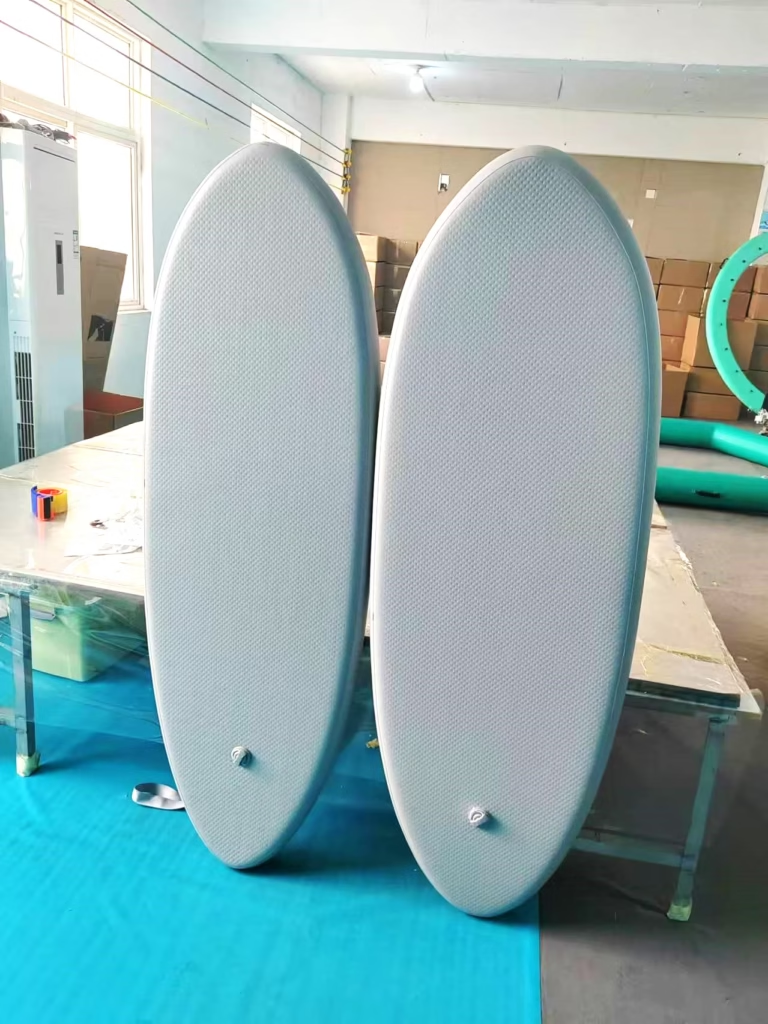
1.3 Drop Stitch Inflatable Products
Drop Stitch technology is commonly used in high-pressure inflatable products.
Applications include:
- Inflatable SUP boards
- Drop Stitch kayak floors
- Inflatable platforms
- High-pressure inflatable structures
How Drop Stitch Works
Unlike traditional inflatable chambers, Drop Stitch structures contain thousands of internal threads connecting the top and bottom fabric layers.
When inflated, these threads create a rigid and stable structure.
Drop Stitch Maintenance Tips
Because Drop Stitch products operate at higher pressure, users should pay attention to:
Correct Inflation Pressure
Overinflation can increase stress on:
- seams
- outer layers
- internal threads
Always follow the recommended pressure range.
Surface Inspection
Regularly check for:
- cuts
- delamination
- unusual deformation
Early detection can prevent more serious damage.
2. Common Inflatable Product Problems and Solutions
Even well-made inflatable products may experience problems after years of use or improper storage.
The following are the most common issues.
2.1 Air Leakage After Inflation
Air leakage is the most common inflatable product problem.
Possible causes include:
- Small punctures
- Seam leakage
- Valve problems
- Material aging
How to Find the Leak
A simple inspection method:
Step 1: Inflate the Product
Inflate to normal working pressure.
Do not immediately exceed the recommended pressure.
Step 2: Use Soapy Water
Apply soapy water around:
- seams
- valves
- suspicious areas
If bubbles continuously appear, the leakage location can usually be identified.
2.2 Seam Failure
Seams are one of the most important areas of inflatable products.
Possible causes include:
- Long-term storage
- Extreme temperatures
- Aging adhesive layers
- Excessive pressure
- Repeated stress
Repair Solutions
For small seam issues:
- PVC repair adhesive can be used for PVC products
- TPU-compatible adhesive can be used for TPU products
For large seam separation:
Professional repair or factory evaluation may be required.
2.3 Valve Leakage
Sometimes the material is not the problem.
The valve system may cause air loss.
Common valve problems include:
- Loose valve connection
- Damaged gasket
- Aging valve seal
- Incorrect installation
Maintenance Tips
Check:
- valve tightness
- sealing ring condition
- valve cleanliness
In some cases, replacing the valve is easier than repairing the fabric.
2.4 Accessory Damage
Inflatable products often include additional components:
- Handles
- D-rings
- Straps
- Carry systems
- Zippers
- Attachment points
These areas experience repeated stress.
Common problems:
- Glue failure
- Material tearing
- Attachment separation
Regular inspection helps prevent unexpected failure.
3. How to Restart an Inflatable Product After Long-Term Storage
Many inflatable products are stored for months or years before being used again.
Before returning them to service, follow these steps.
Step 1: Visual Inspection
Check:
- Surface condition
- Seams
- Valves
- Accessories
- Signs of aging
Look for:
- cracks
- discoloration
- peeling
- unusual deformation
Step 2: Inflate Slowly
Do not immediately inflate to maximum pressure.
Recommended approach:
- Inflate partially
- Wait and observe
- Check for air loss
- Continue inflation if everything is normal
Step 3: Perform a Leak Test
Use:
- Soapy water
- Pressure retention testing
Pay special attention to seams and valves.
Step 4: Test Before Outdoor Use
Before going on the water:
- confirm air pressure stability
- check all accessories
- inspect attachment points
Safety inspection is especially important for older products.
4. Proper Storage Methods for Inflatable Products
Correct storage is one of the most important factors affecting product lifespan.
Clean Before Storage
After use:
- rinse with fresh water
- remove salt and dirt
- dry completely
Salt residue and moisture can accelerate aging.
Avoid Extreme Temperatures
Avoid storing inflatable products in:
- direct sunlight
- hot vehicles
- outdoor exposed areas
- humid environments
High temperatures can accelerate material aging.
Fold Correctly
Avoid:
- sharp folds
- excessive compression
- placing heavy objects on folded products
Long-term stress points may weaken the material.
5. When Should You Repair or Replace an Inflatable Product?
Not every damaged product needs replacement.
Usually Repairable:
- Small punctures
- Valve problems
- Local seam damage
- Minor surface damage
Consider Replacement When:
- Material becomes brittle
- Large areas are delaminated
- Multiple seams fail
- The structure loses strength
A professional evaluation can help determine whether repair is practical.
6. Professional Manufacturing Matters for Long-Term Durability
The lifespan of an inflatable product depends not only on maintenance but also on manufacturing quality.
Important factors include:
- Material selection
- Fabric quality
- Welding technology
- Seam design
- Quality inspection
At Xsea, we work with PVC, TPU and Drop Stitch materials for customized inflatable products, including inflatable kayaks, packrafts, floating platforms and other outdoor applications.
By selecting the right materials and manufacturing processes, inflatable products can achieve better durability, reliability and long-term performance.
Conclusion
Proper maintenance is essential for extending the lifespan of inflatable products.
Whether the product is made from PVC, TPU or Drop Stitch construction, regular inspection, correct storage and timely repair can prevent many common problems.
Before using an inflatable product that has been stored for a long time, always check the material condition, seams, valves and accessories.
With proper care, high-quality inflatable products can provide years of reliable performance for outdoor adventures and professional applications.