Common Problems with Drop Stitch Floors and How to repair a drop stitch floor
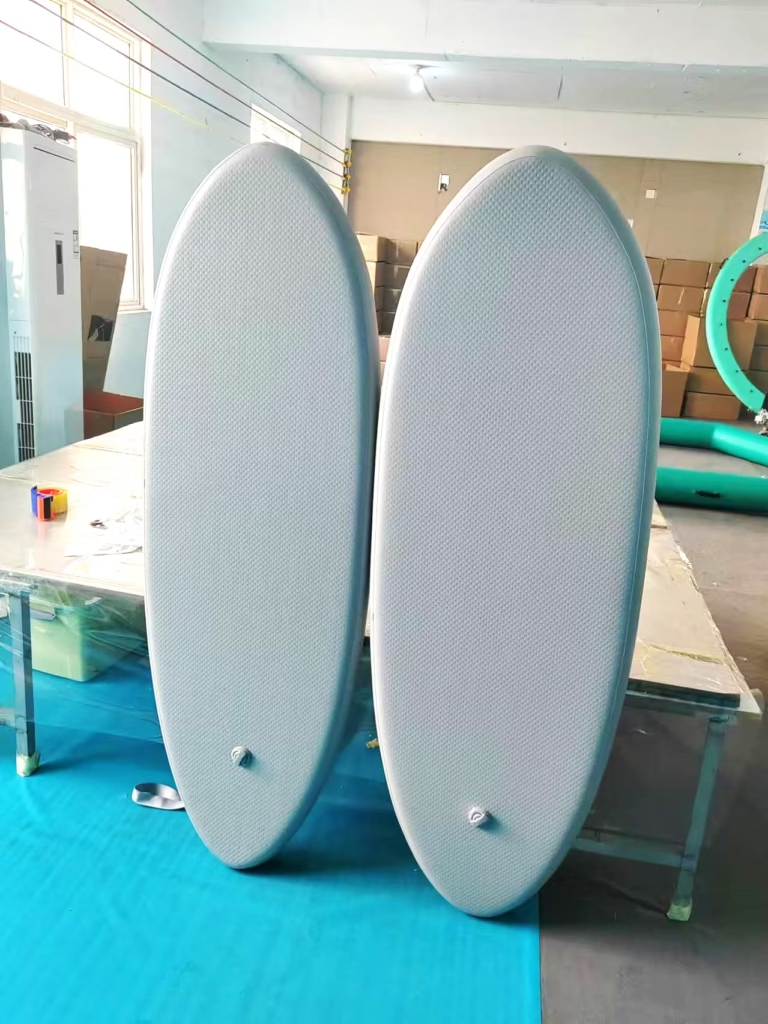
Drop stitch floors are widely used in inflatable kayaks, paddle boards, inflatable docks, and other water sports products. While they offer excellent rigidity and performance, they can still experience certain issues over time due to usage, pressure, or material quality.
In this guide, we will explain the most common problems with drop stitch floors and how to fix them effectively.
1. Air Leakage
Air leakage is one of the most common issues in inflatable drop stitch products.
Causes:
- Small punctures in PVC or TPU layer
- Valve sealing failure
- Weak welding at seams
- Overinflation
How to fix:
- Use soapy water to locate the leak
- Apply PVC repair patch for small holes
- Replace or reseal valve if necessary
- Avoid overinflation beyond recommended PSI
2. Delamination (Layer Separation)
Delamination occurs when the inner drop stitch fibers separate from the outer PVC layers.
Causes:
- Poor material quality
- Long-term exposure to heat or sunlight
- Manufacturing defects
- Excessive pressure cycles
How to fix:
- Small areas: use industrial adhesive repair patches
- Severe delamination: replacement is recommended
- Store product in cool, dry environment
3. Deformation or Bulging
Some drop stitch floors may lose their flat structure and become uneven.
Causes:
- Uneven inflation pressure
- Poor internal thread density
- Long-term load imbalance
How to fix:
- Re-inflate to recommended PSI evenly
- Check internal pressure consistency
- Replace if structural damage is severe
4. Slow Air Loss
Slow air leakage is harder to detect but very common.
Causes:
- Microscopic punctures
- Valve micro-leakage
- Temperature changes affecting pressure
How to fix:
- Inflate fully and monitor pressure over 24 hours
- Submerge sections in water to detect bubbles
- Tighten or replace valve system
5. Surface Wear and PVC Damage
The outer layer of drop stitch floors can wear over time.
Causes:
- Friction with sand or rocks
- UV exposure
- Improper storage
How to fix:
- Use protective covers during storage
- Apply PVC protective coating if needed
- Avoid dragging product on rough surfaces
6. Valve Failure
Valve issues can cause rapid or slow deflation.
Causes:
- Dirt or sand inside valve
- Aging rubber seal
- Improper installation
How to fix:
- Clean valve regularly
- Replace rubber gasket if damaged
- Fully replace valve if necessary
How to Prevent Drop Stitch Floor Problems
Preventive maintenance is always better than repair.
Here are key tips:
- Do not overinflate beyond recommended PSI
- Store in cool, dry place
- Avoid long exposure to sunlight
- Clean after each use
- Inspect before and after each trip
When Should You Replace a Drop Stitch Floor?
You should consider replacement if:
- Severe delamination occurs
- Structural deformation cannot be corrected
- Multiple leak points exist
- Repair cost exceeds replacement cost
Conclusion
Drop stitch floors are highly durable, but like all inflatable products, they require proper use and maintenance. Understanding common problems such as air leakage, delamination, and deformation can help extend product lifespan and improve safety.
If you are looking for high-quality OEM drop stitch floor manufacturing, choosing a reliable factory with strict quality control and material testing is essential for long-term performance.
Learn More
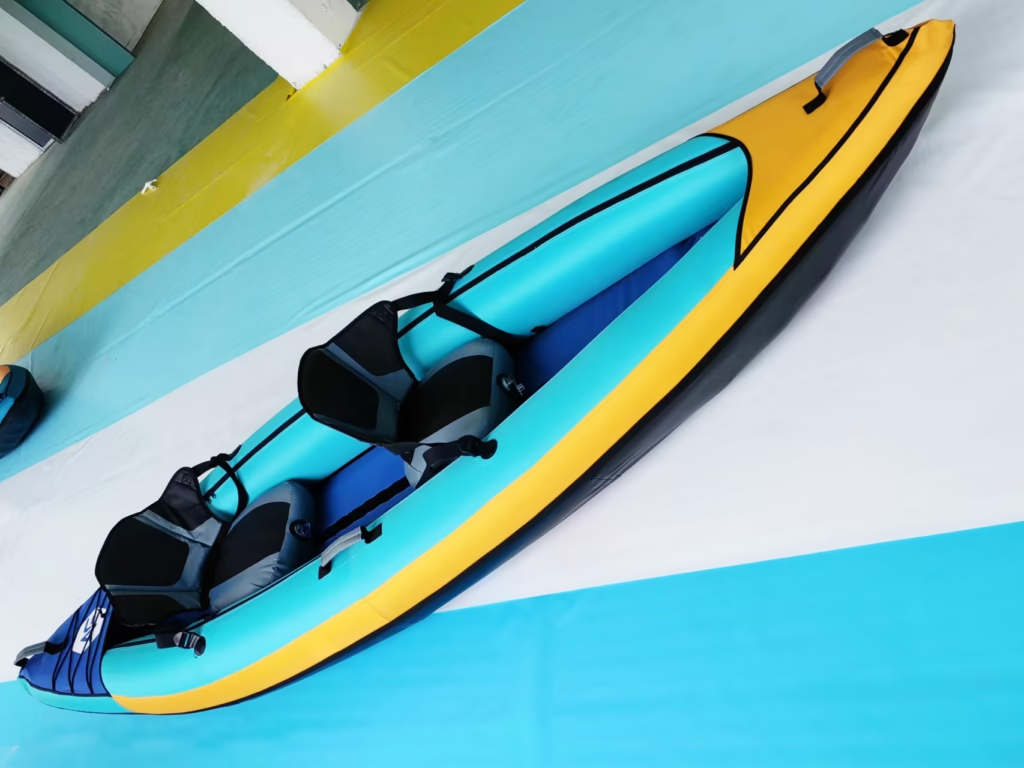
Learn more about TPU Packraft manufacturing capabilities.

Related Solutions
Discover our full range of Inflatable Water Sports products.