🧭 Introduction
Over the past decade, kids electric ride-on vehicles have undergone a major transformation.
What was once considered a simple toy category is now evolving into a new segment of entry-level mobility products for children. This shift is driven by advances in lithium battery technology, motor systems, and changing expectations from parents worldwide.
Today, the focus is no longer just fun—it is about mobility, skill development, and safe riding experience.
🧸 The Early Stage: Ride-On Toys as Pure Entertainment
In the early 2000s, electric ride-on toys were designed primarily for indoor or backyard fun.
Typical features included:
- Low speed (2–5 km/h)
- Lead-acid batteries
- Basic plastic construction
- Simple forward/stop controls
These products had clear limitations:
- Short battery life
- Limited terrain capability
- Minimal safety features
- No real riding control
👉 At this stage, they were clearly positioned as toys, not vehicles.
⚙️ The Transition: From Toy Experience to Riding Experience
As demand increased, manufacturers began improving product performance.
Key upgrades included:
- Transition from lead-acid to lithium batteries
- Introduction of brushless motors
- Higher voltage systems (24V → 36V)
- Improved frame and suspension design
These changes allowed children to experience:
- Smoother acceleration
- Better stability
- Outdoor usability
👉 This marked the first shift from passive play → active riding.
🚲 Why Electric Balance Bikes Changed the Industry
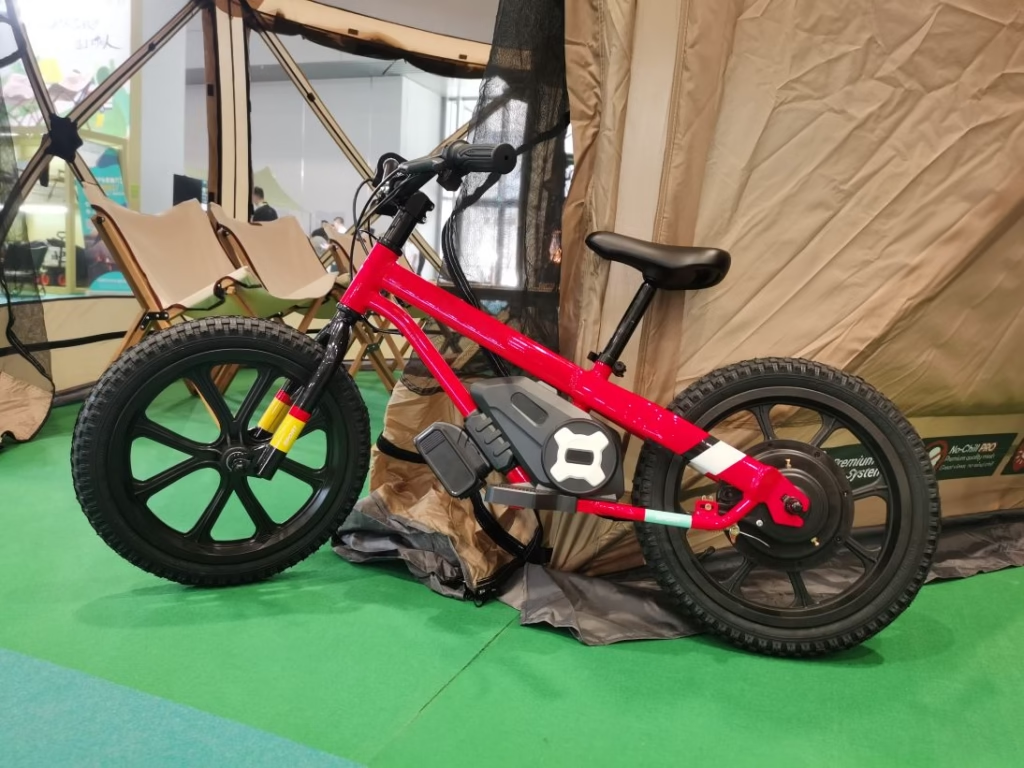
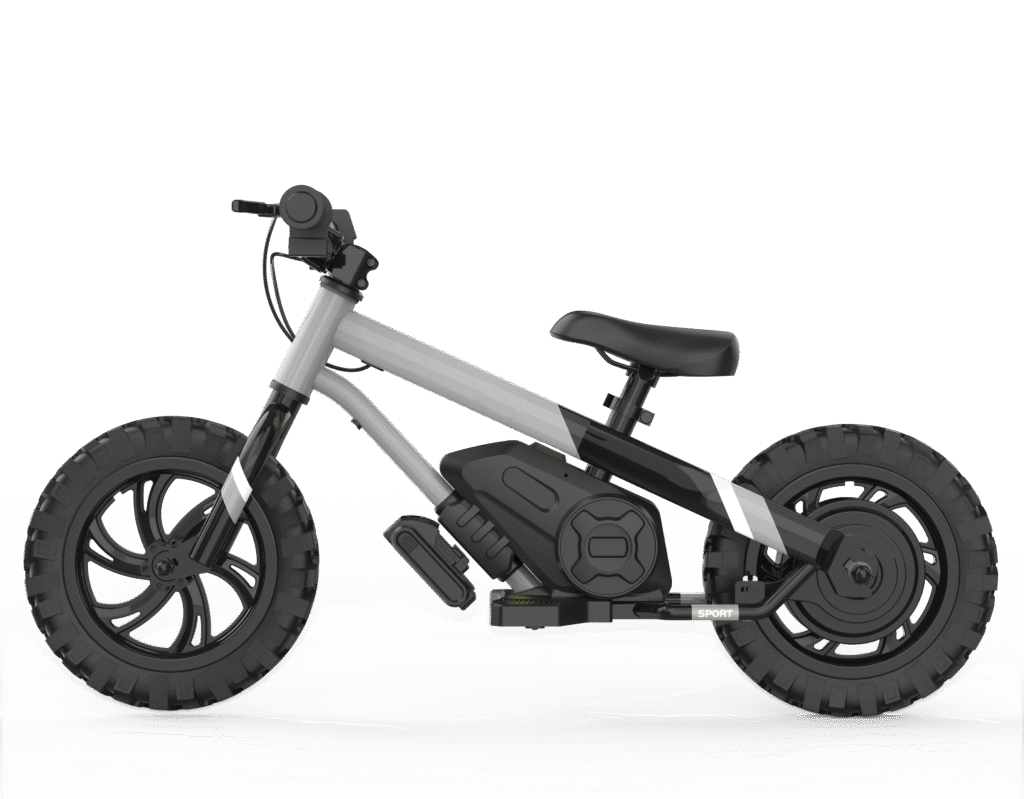
The emergence of electric balance bikes for kids became a turning point.
Unlike traditional ride-on toys, balance bikes introduced:
- Real steering control
- Weight-based balance learning
- Natural riding posture
- Faster transition to real bicycles
Why parents prefer them:
- Improve coordination and confidence
- Safer learning compared to training wheels
- Encourage outdoor activity
👉 This category redefined ride-on products as mobility training tools, not just toys.
🔋 Lithium Battery & Motor Technology Driving Innovation
The evolution toward mobility is largely powered by technological upgrades.
Key innovations:
- Lithium-ion battery systems (18650 / 21700)
- Higher energy density → longer riding time
- Brushless motors → smoother and quieter operation
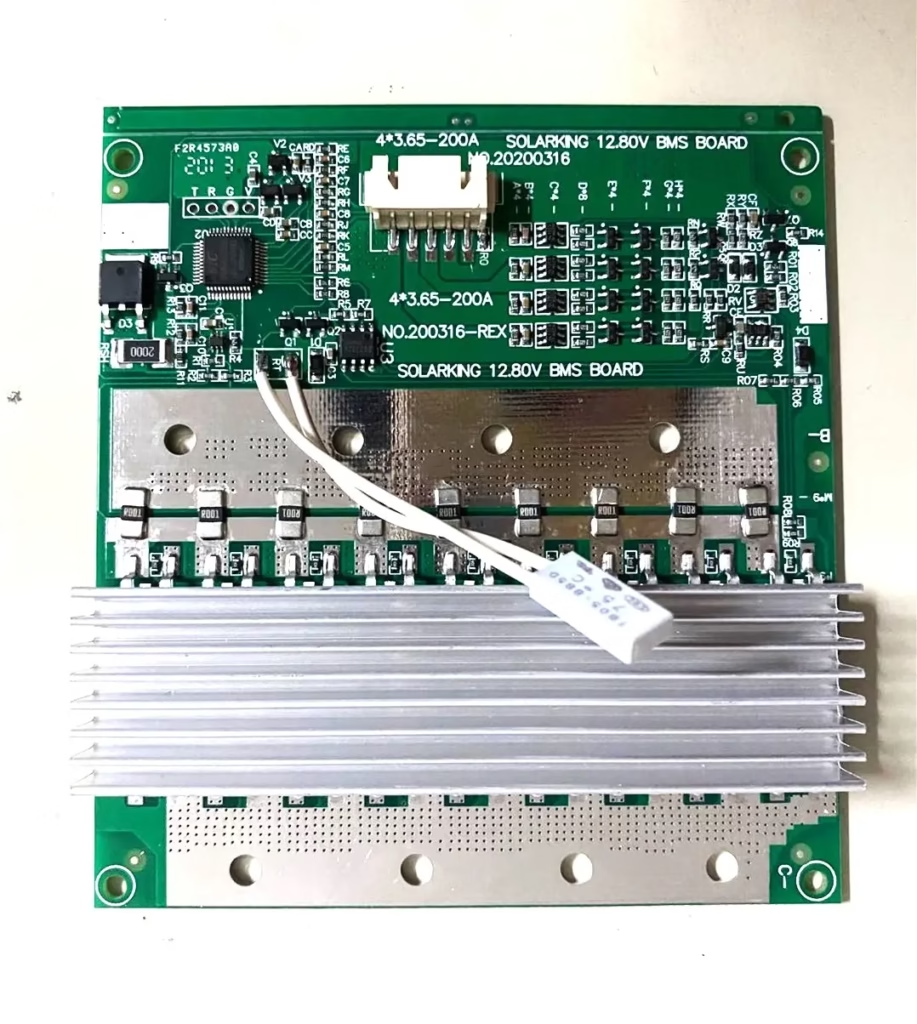
- Advanced battery management systems (BMS)
Real impact:
- Longer runtime per charge
- More stable power delivery
- Reduced product weight
- Improved safety performance
👉 At this stage, products started functioning like mini electric vehicles rather than toys.
🛡️ Safety Becomes a Core Design Priority
As performance increased, safety became a critical factor in product design.
Modern kids electric ride-on vehicles now include:
- Multi-speed modes (beginner to advanced)
- Soft-start acceleration systems
- Thermal and overload protection
- Waterproof battery compartments
- Reinforced frames and braking systems
👉 Safety is no longer an add-on—it defines product quality and market positioning.
🌍 Market Shift: From Toys to Mobility & Development Tools
Consumer behavior has also changed significantly.
Today’s parents are looking for products that:
- Encourage outdoor play
- Reduce screen time
- Build coordination and balance
- Prepare children for real cycling
As a result, electric ride-on vehicles are increasingly viewed as:
👉 developmental mobility products rather than entertainment toys
🏭 OEM Manufacturing Evolution
This transformation is also reshaping the manufacturing side of the industry.
Factories are moving beyond simple toy production to focus on:
- Battery system engineering
- Motor and controller integration
- Structural design and durability
- Compliance with global standards (CE / ASTM / EN71)
- Customization for different markets
OEM demand is shifting toward:
- Higher performance products
- Longer lifecycle
- Stronger safety compliance
- Brand differentiation
👉 Manufacturers are now building mobility solutions, not just toys.
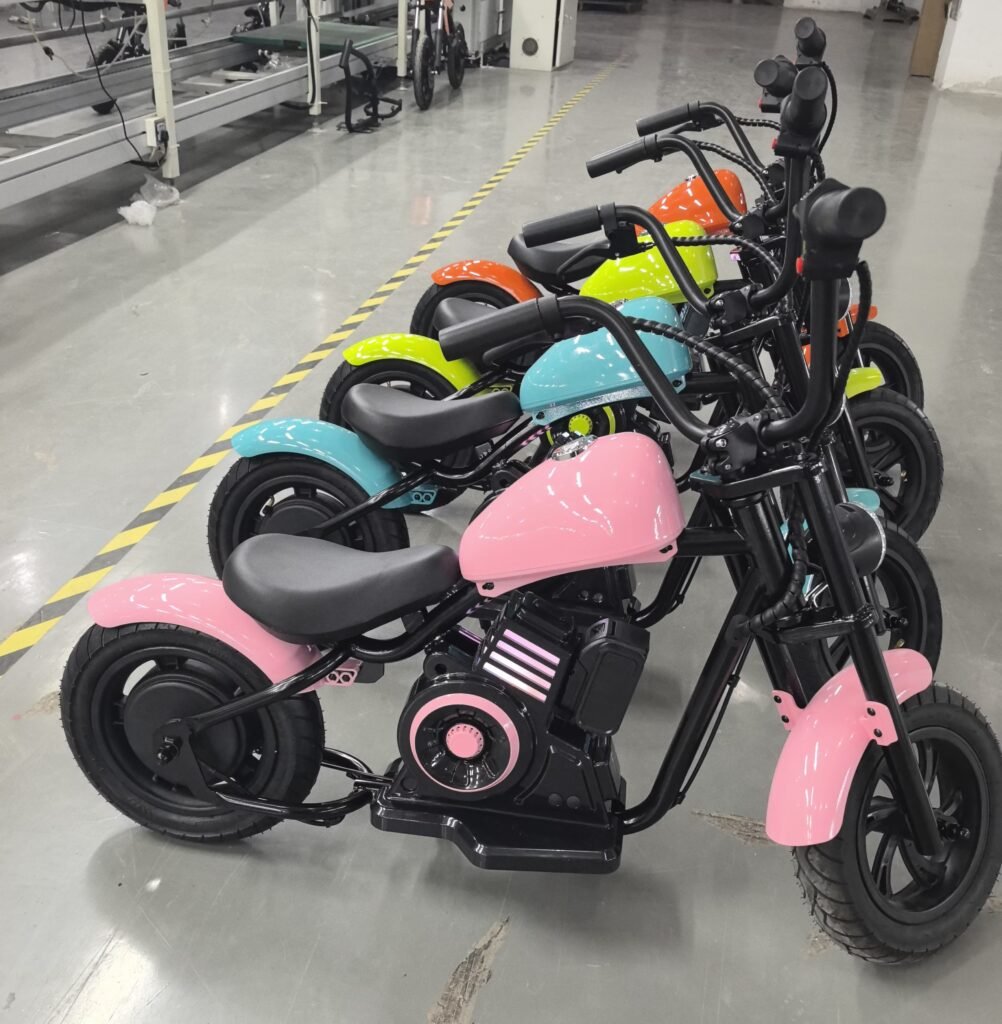

📈 Industry Direction: From Toy Manufacturing to Mobility Engineering
The industry is clearly transitioning:
From:
- Low-cost toy production
- Short product lifespan
- Basic electrical systems
To:
- Performance-driven design
- Advanced lithium battery systems
- Safety-focused engineering
- Global market compliance
👉 Kids electric ride-on vehicles are becoming part of the micro-mobility ecosystem.
🔮 Future Trends in Kids Electric Ride-On Vehicles
Looking ahead, several trends are emerging:
- Smarter speed control systems
- App-based parental monitoring
- Modular or swappable battery systems
- Lightweight frame materials
- Integration with training and learning systems
👉 The line between “toy” and “vehicle” will continue to blur.
📊 Conclusion
The evolution of kids electric ride-on vehicles reflects a broader industry shift—from toys to mobility.
Driven by technology, safety requirements, and changing consumer expectations, these products are becoming essential tools for early riding development.
For brands, distributors, and manufacturers, the opportunity is clear:
👉 Compete not in the toy category, but in the growing kids mobility market.
Looking to develop next-generation kids electric ride-on vehicles?
We support:
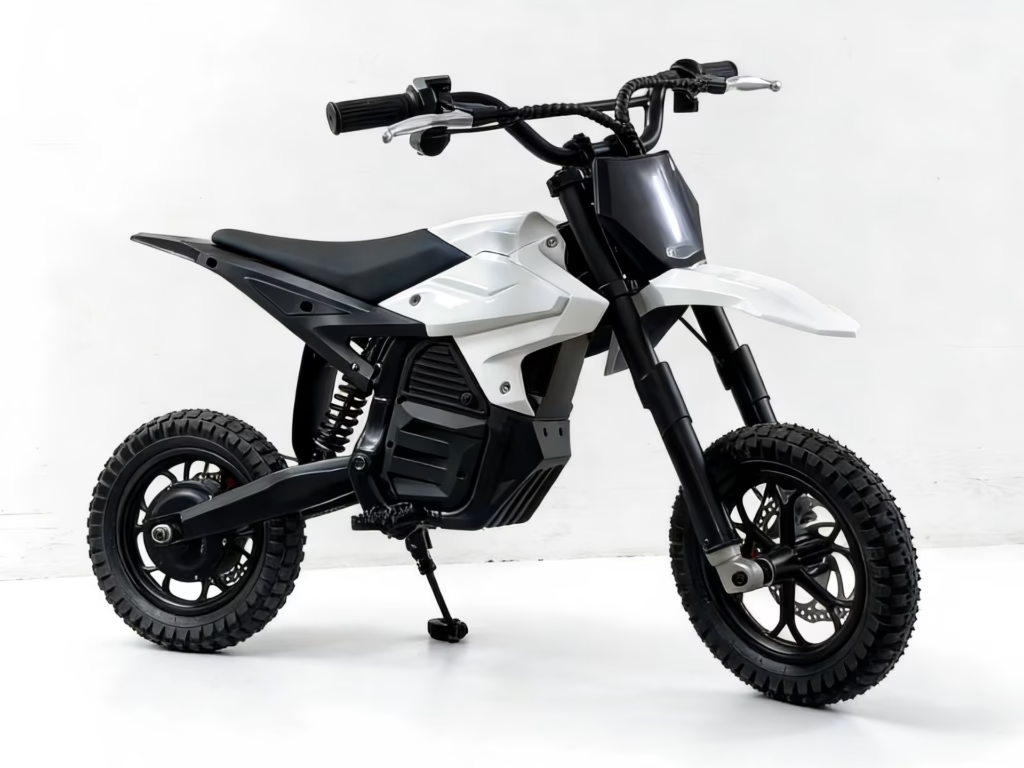
- Electric balance bikes, scooters, and mini choppers
- Advanced lithium battery systems (18650 / 21700)
- OEM/ODM customization
- Export-ready safety compliance
👉 Contact us for specifications, pricing, and product development support.
🔗 Related Guides